Paris is the most visited city in the world for a reason: nowhere else packs so many instantly recognisable landmarks, so much great art, and so much everyday beauty into such a small, walkable space. The Eiffel Tower, the Louvre, Notre-Dame, the Seine, the café terraces of Montmartre and the grand avenues of the Champs-Élysées are all within a few metro stops of each other, which is why a well-planned Paris itinerary feels almost effortless — and why an unplanned one can end up as a week of queues.
This Paris travel guide ranks the best places to visit in Paris, explains how to see each one without wasting a day in line, and covers the practical side of the trip: the best time to visit Paris, where to stay, how to get around, and how to book flights to Paris, a hotel in the right arrondissement, a car rental for day trips, a Paris eSIM, a rental bike along the Seine and the Paris tours worth reserving before you fly.
Why Paris Belongs on Every Travel List
Paris works on every level at once. It is a museum city with the greatest art collections in Europe, a food city where a bakery croissant counts as a cultural experience, a neighbourhood city of villages like the Marais and Montmartre, and a river city whose skyline is best seen from the water. It is also surprisingly easy: compact, well connected by metro and rail, and welcoming to first-time visitors who speak no French at all.
Everything Is Walkable
Central Paris is compact: the Louvre, Notre-Dame, the Marais and the Seine sit within a 30-minute walk of each other, so you can see the headline sights without ever touching the metro.
Unmatched Art & Architecture
From the Mona Lisa at the Louvre to Monet at the Musée d'Orsay and the stained glass of Sainte-Chapelle, Paris holds more world-class collections inside one city than most countries do across a continent.
Food Worth Planning Around
Croissants in the morning, a market lunch in Le Marais, steak frites in Saint-Germain, and a wine bar in the 11th: eating well is the real Paris itinerary and it does not need a big budget.
A City for Every Kind of Trip
Paris works for honeymoons, family holidays, solo city breaks and first-time Europe trips alike — the romance, the museums and the neighbourhood life all sit side by side.
Four Distinct Seasons
Spring blossom and café terraces, long summer evenings on the Seine, golden autumn light and the Christmas markets and illuminations of December: Paris rewards a visit in any month.
Easy to Reach & Get Around
Two airports, the Eurostar from London, high-speed rail from across Europe and a metro network that reaches almost every sight make Paris one of the simplest major cities to navigate.
The Best Places to Visit in Paris
These ten places are the backbone of any Paris itinerary — the monuments, museums and neighbourhoods that define the city, each with the practical detail that makes the difference between a rushed stop and a great day out.
The Eiffel Tower
The Icon & Best Views
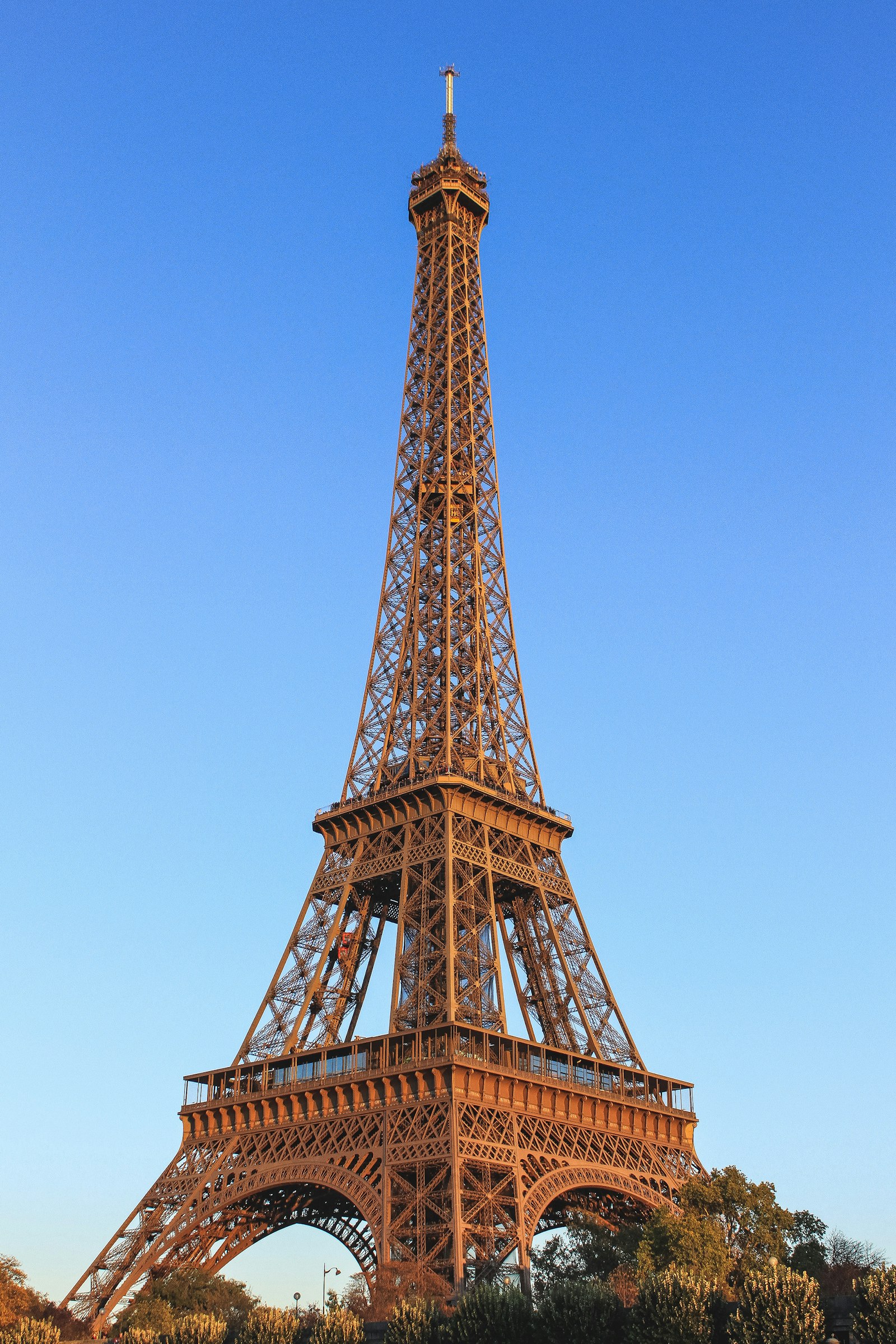
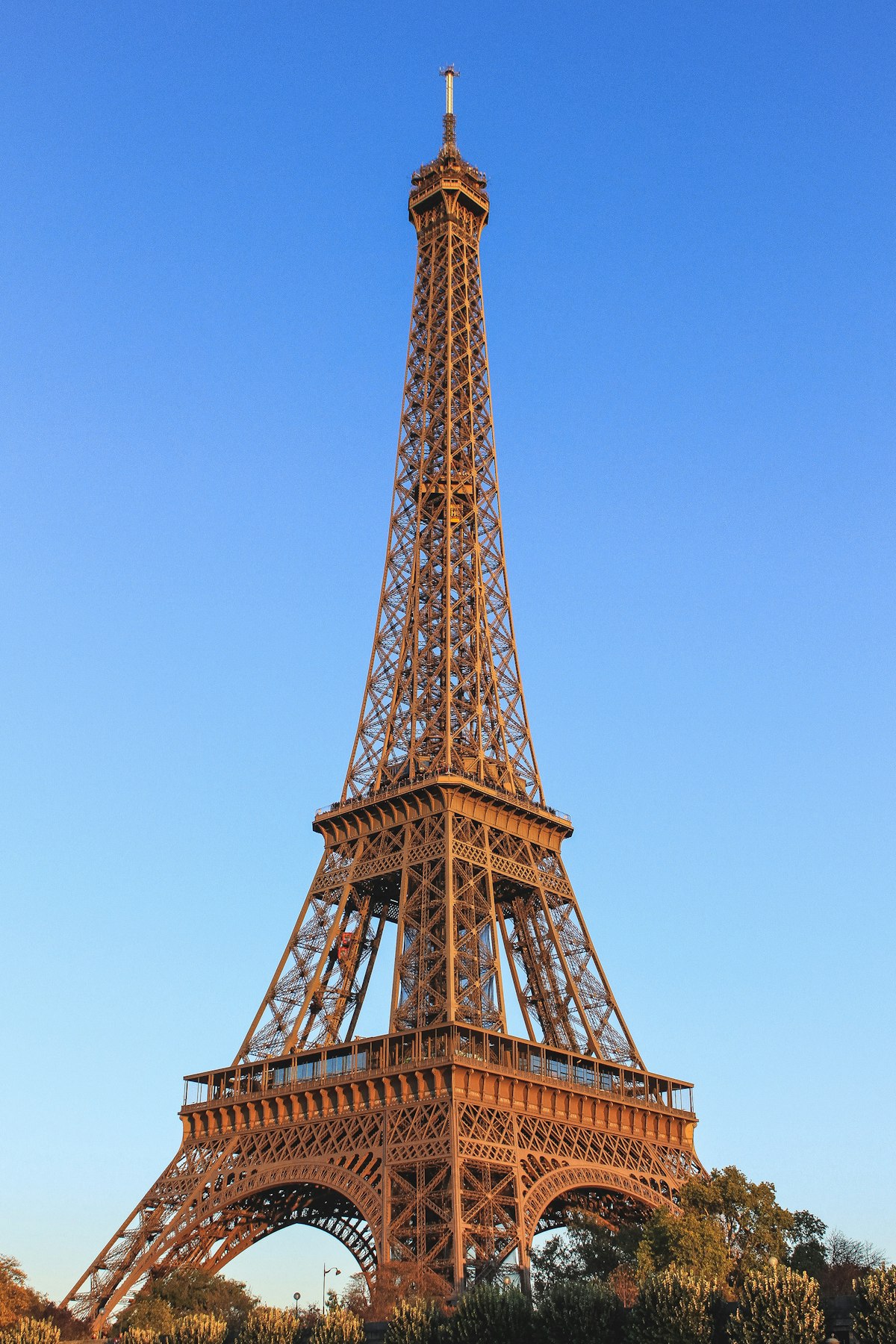
The Eiffel Tower is the place every visitor pictures first, and it still delivers in person. Book a timed, skip-the-line ticket to the summit or the second floor and arrive either early in the morning or about an hour before sunset, when the tower turns gold and the city lights come on. The Trocadéro esplanade opposite gives the classic photograph, the Champ de Mars side is quieter for a picnic, and Rue de l'Université is the best street-level viewpoint. At night the tower sparkles for five minutes on the hour after dark — worth planning an evening around.
The Louvre
The World's Greatest Museum
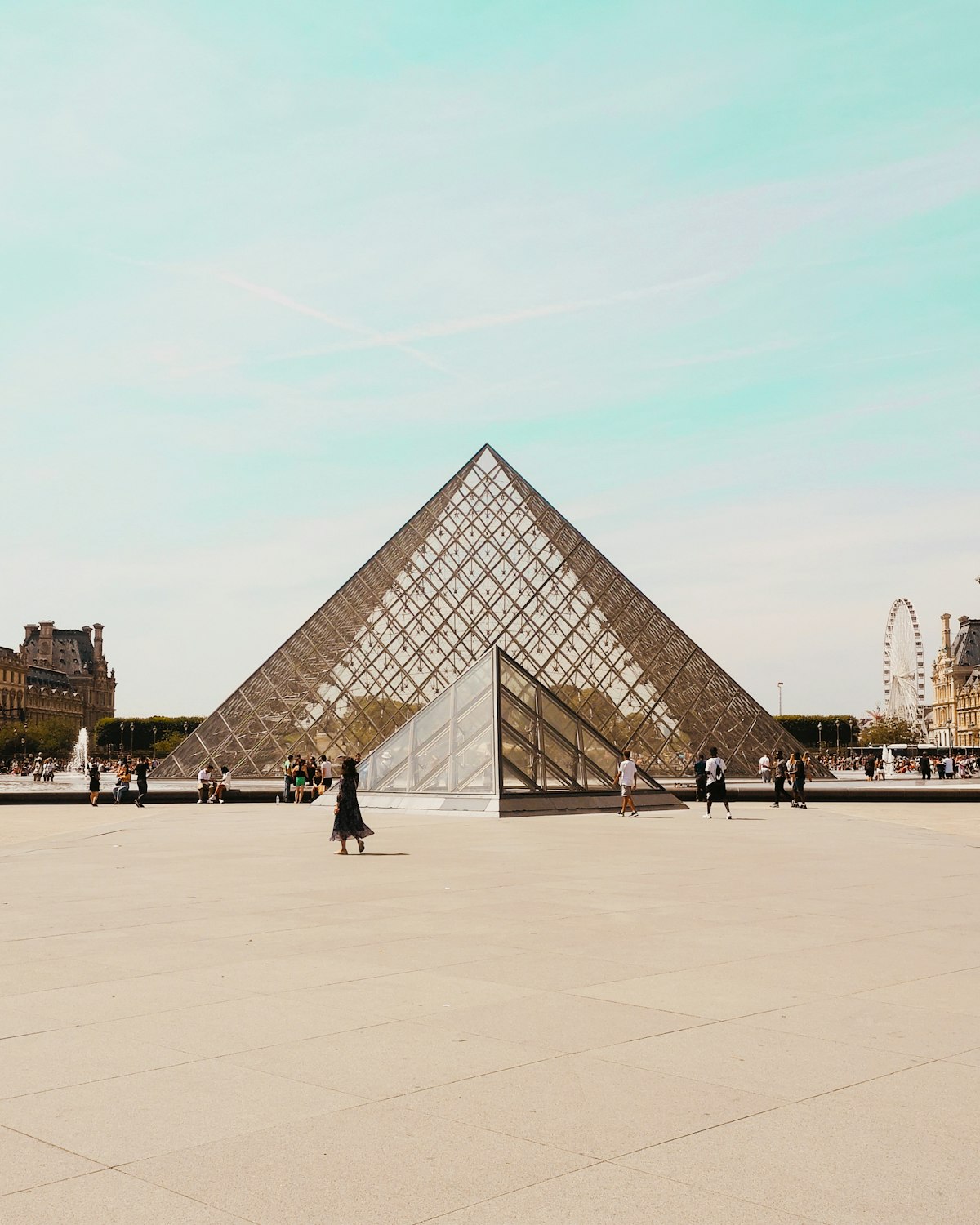
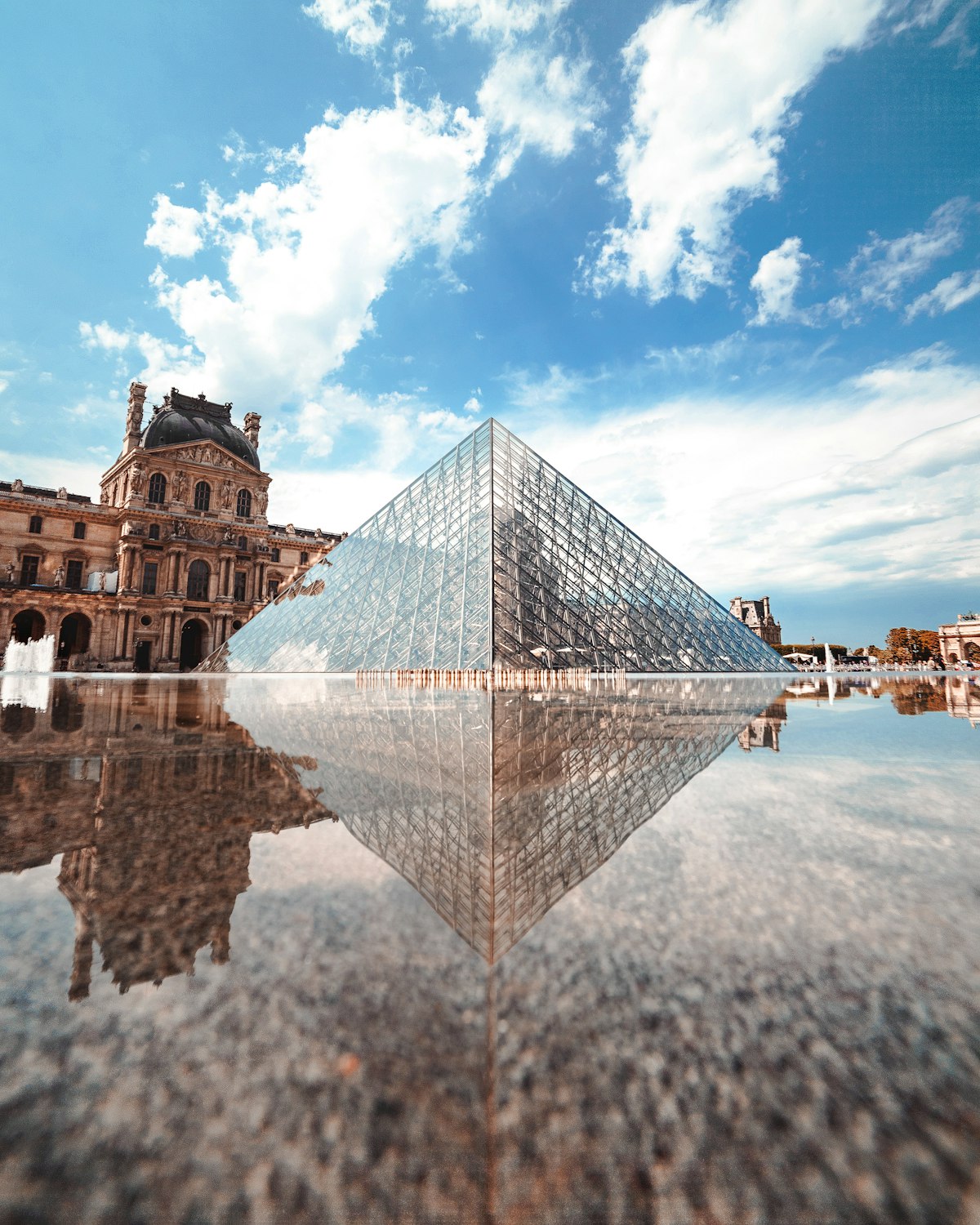
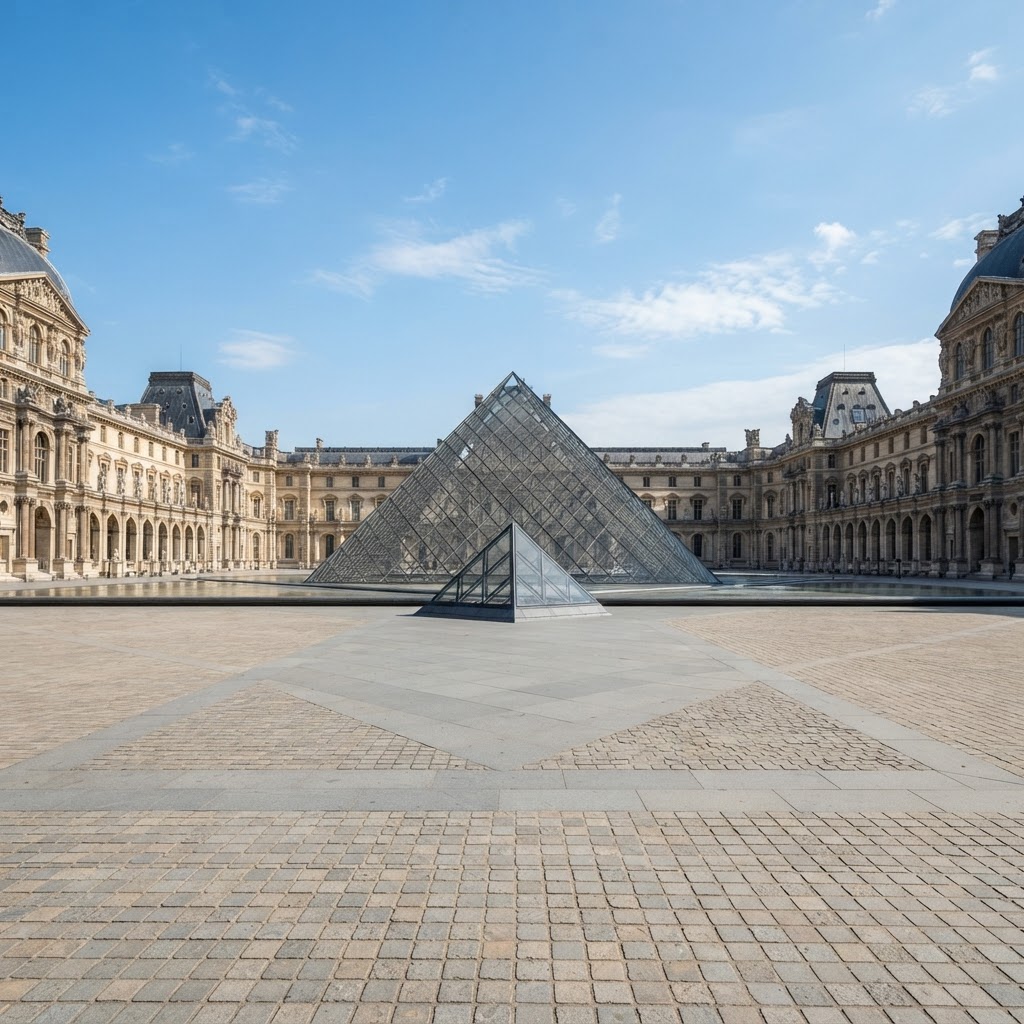
The Louvre is the largest art museum on earth, so treat it as two or three visits rather than one long march. Book a timed entry ticket online, enter through the Porte des Lions or the Carrousel du Louvre entrance rather than the glass pyramid queue, and pick three wings: the Denon for the Mona Lisa, the Winged Victory and the Italian paintings, the Sully for the medieval foundations of the palace, and the Richelieu for the French and Dutch masters. A two-hour guided highlights tour is the smartest way to see the essentials without museum fatigue.
Musée d'Orsay
Impressionist Masterpieces
Housed in a converted Beaux-Arts railway station on the Left Bank, the Musée d'Orsay holds the greatest collection of Impressionist and Post-Impressionist art in the world — Monet, Renoir, Degas, Van Gogh, Cézanne and Manet, all in a building whose giant clock window frames Montmartre across the river. It is human-sized enough to finish in half a day, which makes it the perfect companion to the Louvre. Book a skip-the-line ticket, and pair it with a walk through the Tuileries Garden afterwards.
Notre-Dame & Île de la Cité
The Historic Heart of Paris
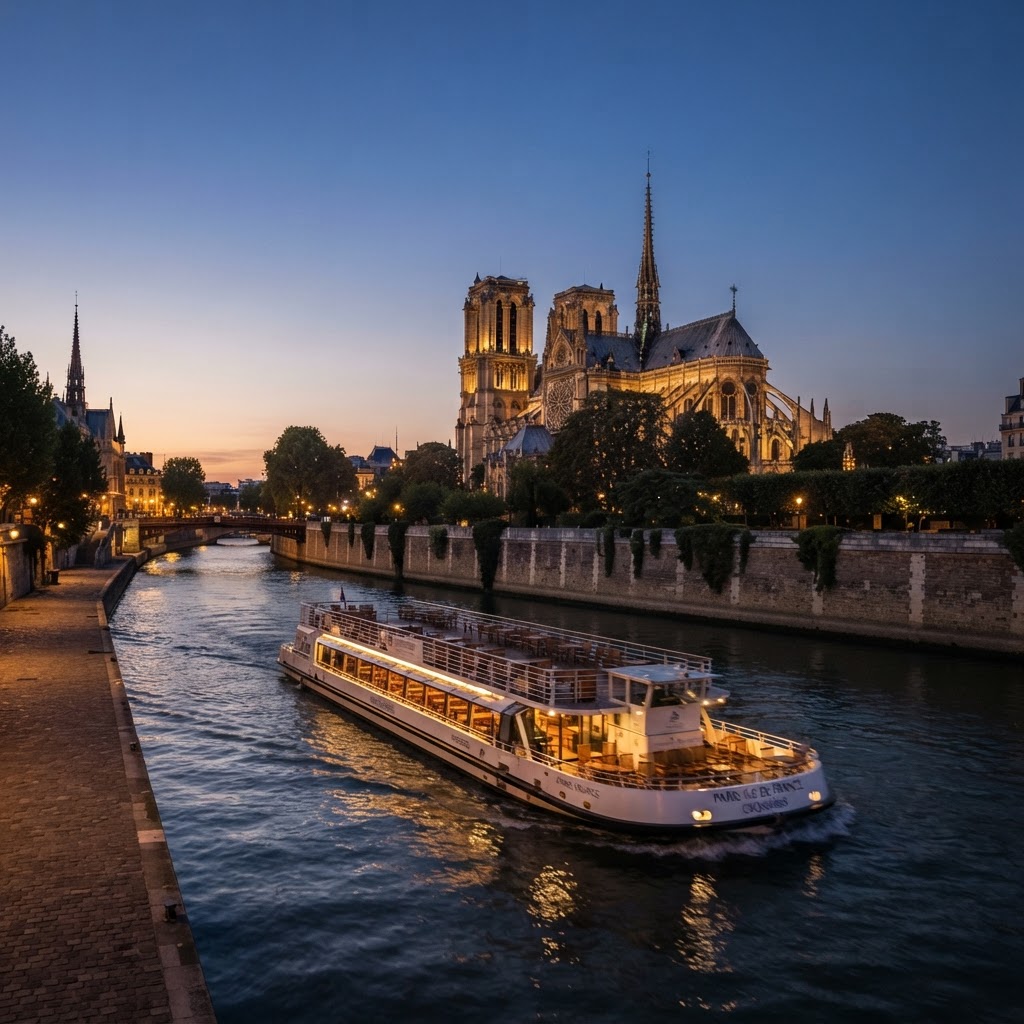
The Île de la Cité is where Paris began, and Notre-Dame cathedral is its centrepiece — reopened and once again the most visited monument in the city. Circle the island on foot to see the Sainte-Chapelle, whose upper chapel is almost entirely stained glass and is one of the most breathtaking interiors in Europe, the Conciergerie where Marie Antoinette was held, and the flower market at Place Louis-Lépine. Come early, combine the three sights into one morning, and finish with a coffee on the Île Saint-Louis next door.
Montmartre & Sacré-Cœur
Village Charm & Rooftop Views
Montmartre still feels like a hilltop village, with cobbled lanes, artist studios and the white domes of Sacré-Cœur crowning the city's highest point. Ride the funicular up, climb the basilica dome for the best free panorama in Paris, then wander down through Place du Tertre, the vineyard of Clos Montmartre, and the café terraces of Rue des Abbesses. Come in the late afternoon so the golden hour lands while you are on the steps — it is the most romantic place to visit in Paris at sunset.
Champs-Élysées & Arc de Triomphe
Grand Boulevards & City Views
The Champs-Élysées is the city's grandest avenue, running from Place de la Concorde to the Arc de Triomphe, and the Arc itself is one of the best-value viewpoints in Paris — 284 steps up, no lift queue, and a perfect 12-road star of avenues below. Walk the avenue at dusk when the plane trees light up, stop at Ladurée for a macaron, and continue to the Trocadéro for the Eiffel Tower light show. The Arc de Triomphe rooftop is also the best place in Paris to watch Bastille Day fireworks.
Le Marais
Boutiques, Falafel & Old Paris
Le Marais is the most charming district in central Paris — medieval streets, aristocratic mansions, the Picasso and Carnavalet museums, kosher bakeries on Rue des Rosiers, independent boutiques, and a lively bar scene after dark. It is the best area to visit in Paris on a Sunday, when much of the city closes but the Marais stays open. Start at Place des Vosges, the oldest planned square in Paris, and let yourself get lost between the Musée National Picasso and the Rue de Bretagne food market.
Jardin du Luxembourg
The Prettiest Garden in Paris
The Luxembourg Garden is the most beautiful park in Paris and the perfect antidote to a museum-heavy day. Rent a green metal chair beside the octagonal basin, watch the model sailboats, walk the chestnut-lined allées, and visit the Medici Fountain in the far corner. The garden sits between Saint-Germain-des-Prés and the Left Bank cafés of Montparnasse, so it slots easily into an afternoon of bookshops, patisseries and the Panthéon a few streets away.
A Seine River Cruise
The City from the Water
Every one of the best places to visit in Paris looks different from the Seine, and a one-hour river cruise is the highest-value experience in the city — Notre-Dame, the Louvre, the Musée d'Orsay, the gold-domed Invalides, the Grand Palais and, finally, the Eiffel Tower glittering above the water. Take a sunset departure so you see the monuments in daylight and illuminated in one trip, and choose a boat with an open upper deck. Alternatively, walk the Left Bank quays at golden hour for free.
Versailles Day Trip
The Ultimate Day Trip
The Palace of Versailles is 45 minutes from central Paris by RER C train and worth a full day. Book a timed palace ticket, then allow three or four hours for the gardens — the Hall of Mirrors, the King's Apartments, the Grand Canal and the Trianon estate where Marie Antoinette built her own hamlet. Visit on a Tuesday or Wednesday, arrive at opening, and consider the Musical Gardens or Fountain Shows on weekends between April and October for the full Baroque spectacle.
When to Visit Paris
Spring and early autumn are the sweet spot. From April to June the city's gardens — the Luxembourg, the Tuileries, the Champ de Mars — are at their best, café terraces reopen and the days stretch past nine in the evening. September and October bring golden light, harvest menus and thinner crowds with flights and hotels noticeably cheaper than in midsummer. July and August are hot, busy and expensive, though the long evenings and Bastille Day fireworks on 14 July are spectacular.
Winter is underrated: November to February is quiet and inexpensive, queues disappear, and December turns Paris into a Christmas city of illuminated avenues, department-store windows and markets. If you are flexible, aim for late May, early June or late September — and book flights and hotels three to four months ahead for the best rates.
Getting Around Paris
Central Paris is a walking city — the Louvre to Notre-Dame is 25 minutes on foot, Notre-Dame to the Marais is ten — and walking is how you find the courtyards, arcades and bakeries that make the city. For anything further, the metro and RER are fast, cheap and reach almost every sight; a Navigo Easy card or a book of tickets covers a typical trip. From the airports, the RER B and the Roissybus serve Charles de Gaulle while Orly is on the automated Orlyval and metro line 14.
Bikes are the third option and often the best one: the Seine-side cycle paths run for kilometres past the Eiffel Tower, the Louvre and Île de la Cité. Rent a bike for a morning and you will cover more of the city than a day on the metro allows. A rental car is not worth having inside Paris — save it for day trips to Versailles, Giverny, Champagne or the Loire Valley, and collect it on the morning you leave the city.
Flights to Paris
Paris is served by two main airports: Charles de Gaulle (CDG) for most long-haul and international arrivals, and Orly (ORY) for many short-haul European routes. Both connect to the city by train in under an hour. Direct flights to Paris operate from most major hubs — London, Dubai, Doha, New York, Singapore, Sydney, Melbourne, Auckland, Johannesburg and cities across Europe and Asia — with Air France, Emirates, Qatar Airways, British Airways, Singapore Airlines and low-cost carriers such as easyJet and Transavia competing on price.
Cheap flights to Paris tend to appear on Tuesdays and Wednesdays, and shoulder-season departures in late April, June and September are consistently the best value. Compare live fares for your dates below, then line the arrival time up with your hotel check-in and your first museum booking.
Where to Stay in Paris
Paris is a city of arrondissements, and where you stay shapes your whole trip. For a first visit, the 1st around the Louvre puts you within walking distance of the river and the Tuileries; the 4th in the Marais mixes old-Paris charm with the best food and nightlife; the 5th and 6th on the Left Bank are for bookshops, cafés and Saint-Germain elegance. The 9th near Opéra and the 11th around Bastille offer better value, excellent bistros and quick metro connections.
Book a hotel close to a single metro line and the whole city opens up, and reserve early in spring and autumn when the small boutique hotels fill first.
Find Paris Hotels
Compare hotels, apartments and boutique stays across every arrondissement, with free cancellation on most rooms and prices you can filter by neighbourhood.
Book Paris HotelsCar Hire for Day Trips from Paris
A rental car unlocks the best day trips beyond the city — the châteaux of the Loire Valley, Monet's garden at Giverny, the Champagne cellars of Reims and Épernay, or the beaches of Normandy. Collect it on the morning you leave Paris, and use the metro for everything inside the périphérique.
Stay Connected with a Paris eSIM
Install a Paris eSIM before you fly and you land with Google Maps, museum e-tickets, restaurant reservations and translation apps already working. No roaming charges, no hunting for a SIM shop at the airport, and your normal number stays active for calls.
Get a Paris eSIMRent a Bike in Paris
Paris is one of Europe's great cycling cities, with protected riverside paths running from the Eiffel Tower past the Louvre to Île de la Cité. Rent a bike for a morning to cover more ground than the metro allows, or book an e-bike if you plan to include Montmartre's hill or a ride out to Versailles.
Rent a BikeThings to Do in Paris: Tours Worth Booking
The best experiences in Paris are the ones that solve a problem: a skip-the-line Eiffel Tower ticket that saves two hours of queueing, a Louvre highlights tour that makes a vast museum manageable, a Seine dinner cruise that pairs the sights with the city's lights, or a Montmartre food walk that finds the bakeries and cheese shops you would otherwise walk past. Booking these before you travel is what turns a good Paris trip into an easy one — timed entries sell out first in spring, summer and December.
Paris: Skip-the-Line Eiffel Tower Summit or 2nd Floor Access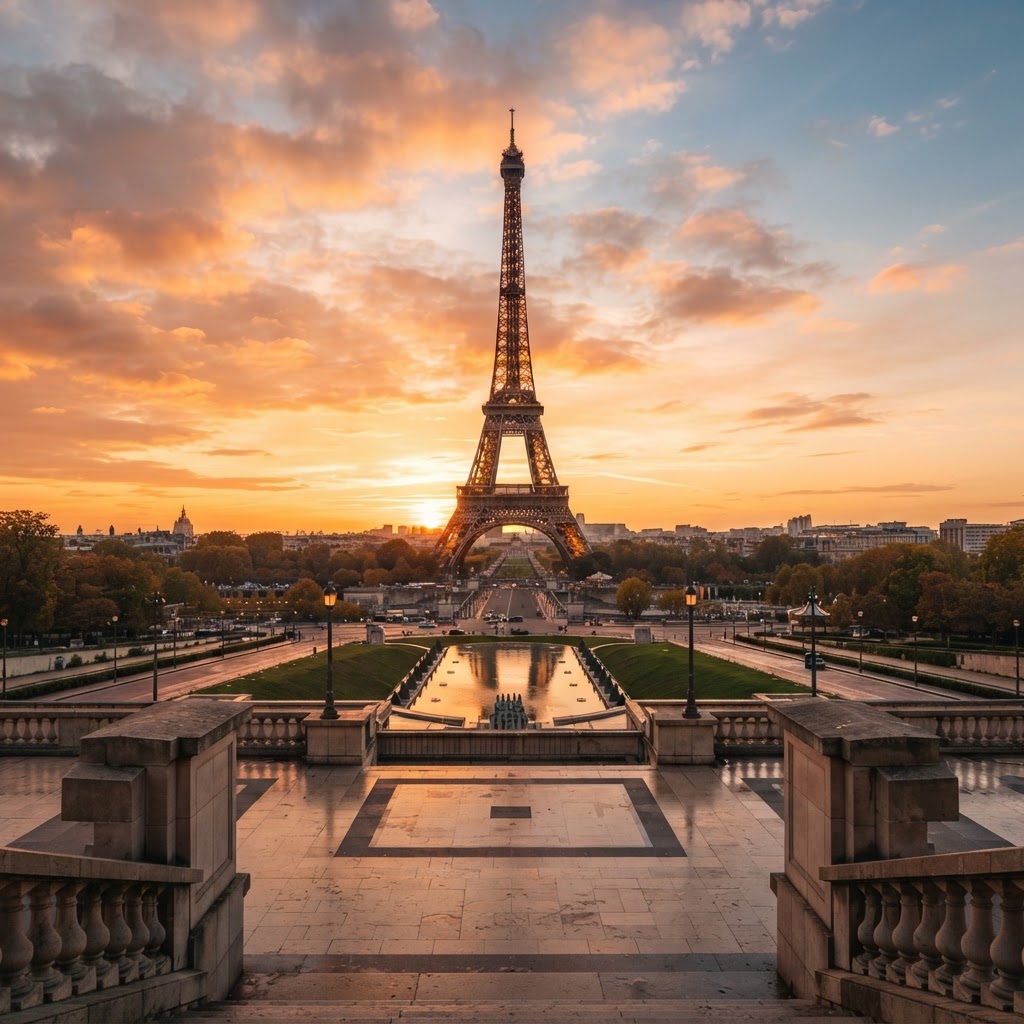
Practical Tips for Your Paris Trip
When to visit Paris
The best months are April to June and September to October — mild days, long light and thinner crowds than July and August. Winter is cheaper, quieter and magical in December when the city dresses for Christmas, while mid-August is when many Parisians leave and some family-run restaurants close.
How many days you need
Four to five full days covers the best places to visit in Paris comfortably: one day for the Louvre and the Tuileries, one for the Eiffel Tower and a Seine cruise, one for Île de la Cité and the Marais, one for Montmartre and the Sacré-Cœur, plus a day trip to Versailles. Three nights is enough for a first taste if you prioritise two or three sights.
Book timed tickets before you fly
The Eiffel Tower summit, the Louvre and the Musée d'Orsay all use timed entry and sell out in peak season. Reserving skip-the-line tickets weeks in advance saves hours of queueing and locks in your preferred time slot — the single biggest time-saver on a Paris trip.
Getting around the city
The Paris metro, RER and buses are fast and cheap, and a carnet or a Navigo Easy travel card covers most stays. Central Paris is best explored on foot — distances between the Louvre, Notre-Dame and the Marais are short — and a rental bike along the Seine is one of the great city rides in Europe.
Staying in the right arrondissement
First-timers do best in the 1st, 4th, 5th or 6th arrondissements for walkable access to the sights, or the 9th and 11th for better value, food and nightlife. Staying near a single metro line makes the whole city feel close.
Practical details worth knowing
Most museums close one day a week — the Louvre on Tuesdays, the Musée d'Orsay on Mondays and Versailles on Mondays — so check before you build an itinerary. Keep a small amount of cash for markets, carry a reusable water bottle for the free Wallace fountains, and activate a Paris eSIM before you land so maps and museum tickets work the moment you arrive.
Frequently Asked Questions
What are the best places to visit in Paris for first-timers?
For a first trip, prioritise the Eiffel Tower, the Louvre, Notre-Dame and Île de la Cité, Montmartre and the Sacré-Cœur, the Musée d'Orsay, the Champs-Élysées and Arc de Triomphe, the Marais, the Luxembourg Garden and a Seine river cruise. Add a day trip to Versailles if you have five days or more. Together these cover the icons, the art, the neighbourhoods and the views that define Paris.
How many days do you need to see the best places in Paris?
Plan four to five full days to see the highlights without rushing. Three days is enough for the Eiffel Tower, the Louvre, Notre-Dame, Montmartre and a river cruise, while five days adds the Musée d'Orsay, the Marais, the Luxembourg Garden and a Versailles day trip at a comfortable pace.
When is the best time of year to visit Paris?
April to June and September to October are the best months to visit Paris, with mild weather, longer days and moderate crowds. July and August are warm but busiest, November to March is quieter and cheaper, and December brings Christmas lights and markets that make the city especially atmospheric.
Do you need to book Eiffel Tower and Louvre tickets in advance?
Yes. Both use timed entry and the most popular slots sell out well ahead in spring, summer and around school holidays. Booking skip-the-line tickets a few weeks in advance secures your time, avoids the longest queues and lets you build each day around a fixed entry time rather than waiting in line.
Where should I stay in Paris for a first visit?
The 1st arrondissement around the Louvre, the 4th in the Marais, the 5th on the Left Bank and the 6th in Saint-Germain are the most convenient bases for a first visit, all within walking distance of major sights. The 9th and 11th arrondissements offer better value, excellent food and a more local feel with easy metro access.
Is a car rental useful in Paris?
Not inside the city — the metro, walking and bikes are faster and cheaper than driving, and central parking is expensive. A car rental makes sense for trips beyond Paris, such as the Loire Valley châteaux, Normandy, Champagne or Provence, and is best picked up on the day you leave the city.
Do I need an eSIM for Paris?
A Paris eSIM is the easiest way to stay online: install and activate it before you fly, and you land with maps, museum tickets, restaurant bookings and translation apps ready. It also avoids roaming charges, and it works alongside your normal number for calls and messages.
What is the best way to see the Eiffel Tower without queueing?
Book a timed skip-the-line ticket online and choose the first slot of the morning or an evening slot after 8pm, when queues are shortest. Access via the South entrance is usually quieter than the main entrance, and a guided summit tour includes priority access if you want the summit on a tight schedule.
Final Tips for Visiting Paris
The secret to a great Paris trip is not seeing more — it is seeing the best places at the right time. Give the Louvre and the Musée d'Orsay a morning each with timed tickets booked in advance, do the Eiffel Tower in the early morning or at sunset, and keep at least one afternoon free for the Marais or the Left Bank with nothing planned but a café. Group your days by area — Île de la Cité with the Marais, the Louvre with the Tuileries and the Musée d'Orsay, Montmartre with the Sacré-Cœur and a sunset — and you will spend your time in Paris looking at the city rather than crossing it.
With flights to Paris booked for late spring or early autumn, a hotel near a single metro line in the 1st, 4th, 5th or 6th arrondissement, a car reserved for a Versailles or Champagne day trip, a Paris eSIM activated before you land, a bike for the Seine and your Eiffel Tower, Louvre and Montmartre tours locked in, all that is left is the first coffee on a terrace and the first glimpse of the tower above the rooftops. Use the booking tools on this page to arrange the whole trip in one place.
Plan Your Paris Trip Today
Compare live flights to Paris, book a hotel in the arrondissement that suits you, reserve a car for your day trips, set up a Paris eSIM and lock in skip-the-line entry to the Eiffel Tower, the Louvre and the Musée d'Orsay — all in one place, before you fly.
Keep Exploring
What to Wear in Paris in October
Packing and weather guide for an autumn trip to Paris.
What to Wear in Paris in November
What to pack for a cool, quiet November in the city.
What to Wear in Paris in December
Christmas lights, markets and how to dress for a Paris winter.
Where to Buy Airline Tickets
Where to find the cheapest airfares, which booking sites are worth using and when to book.