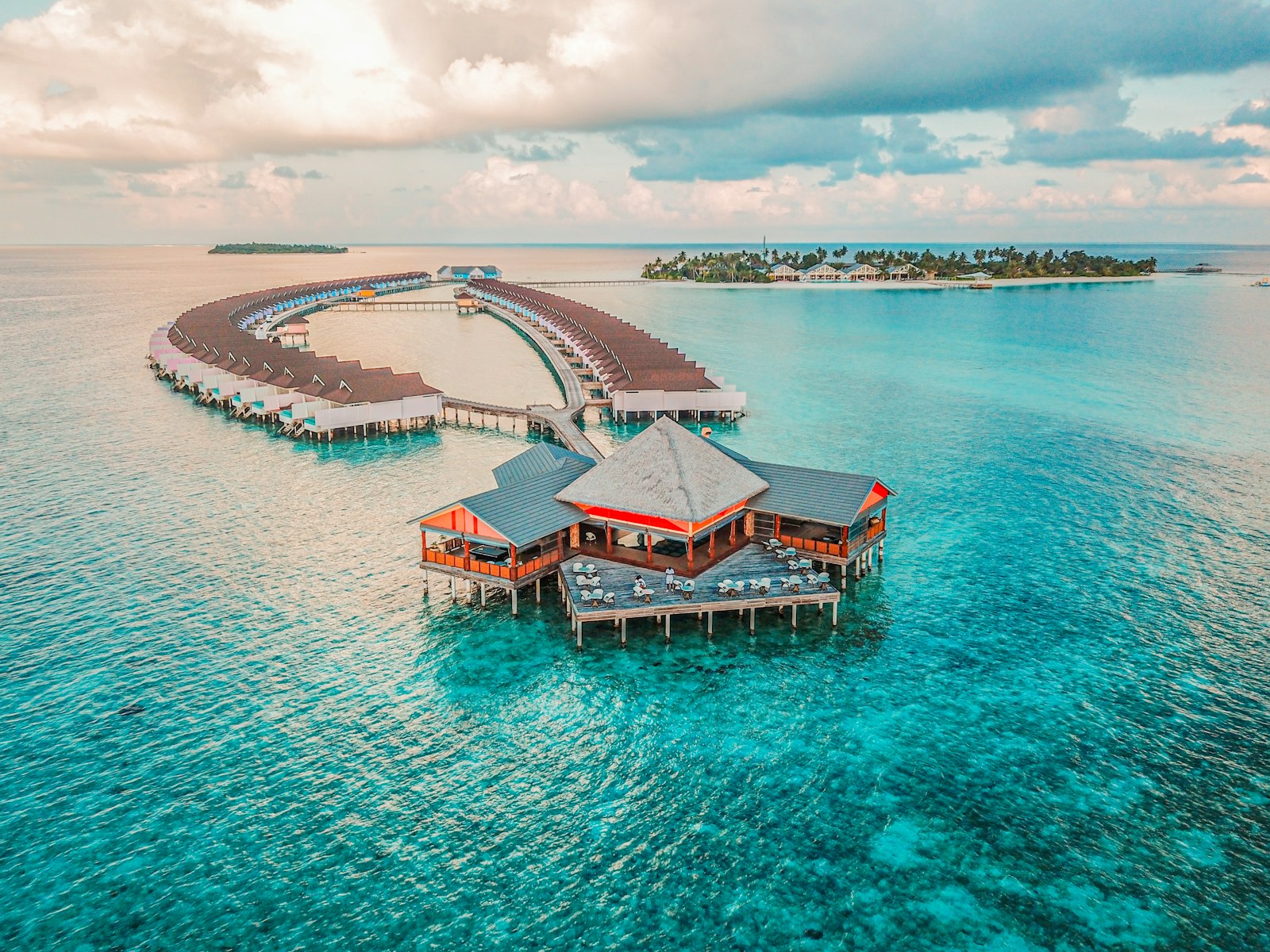
The Maldives is a year-round tropical destination strung across 26 atolls in the Indian Ocean, but the best time to visit depends entirely on what you want from the trip. The calendar splits into two halves: the dry northeast monsoon from late November to April, with clear blue skies, calm lagoons, and the best diving visibility, and the wet southwest monsoon from May to October, with short tropical showers, cheaper resort rates, the best surf swells of the year, and the peak season for manta rays and whale sharks.
This guide breaks down exactly when to go — the dry-season peak, the sweet-spot shoulder months, and the value of the wet season — plus how to lock in your flights to Malé, overwater villas and beachfront resorts, car and scooter rentals, a Maldives eSIM, and Maldives day tours all in one place, so you land in the Maldives already set up for the right season of the year.
Maldives Seasons at a Glance
The Maldives has two distinct monsoon seasons that define the whole calendar — the dry northeast monsoon and the wetter southwest monsoon — plus two shoulder months that quietly offer the best value of the year. Below are the seasons and windows that should drive your decision about when to go.
The Dry Season (November to April)
The northeast monsoon, or Iruvai, brings the Maldives its dry season from late November through April — clear blue skies, low humidity, calm lagoons, and the best visibility for diving and snorkelling. December to March is the peak, with Christmas, New Year, and European winter pushing resort rates to their highest, but the weather is reliably perfect.
The Shoulder Months for Value
November and April are the sweet spots of the Maldives calendar — right on the edge of the dry and wet seasons, with mostly clear skies, warm lagoons, and noticeably lower resort rates than the Christmas-to-March peak. Both months are ideal for travellers who want dry-season weather without paying peak-season prices.
The Wet Southwest Monsoon (May to October)
The southwest monsoon, or Hulhangu, runs from May to October and brings stronger winds, short tropical downpours, and a slightly higher chance of storms. It is by no means a washout — the sun usually returns within hours — and it is when Maldives holidays are cheapest and surfers chase the best swells of the year.
Manta Rays & Whale Sharks All Year
The Maldives is one of the best places in the world to see manta rays and whale sharks year-round, but the peak aggregations at sites like Hanifaru Bay and the Ari Atoll happen during the southwest monsoon (May to November), when plankton blooms draw them in by the dozen. The wet season is genuinely the best time for big marine life.
The Surf Season (April to October)
The Maldives surf season runs on the southern swells of the southwest monsoon, peaking from June to August on the breaks of the North and South Malé Atolls. If you are travelling to surf rather than to sunbathe, the wet season is the right time to go — and the surf resorts drop their rates at exactly the right moment.
Festive Periods & Resort Events
Christmas, New Year, and the Chinese Lunar New Year are the busiest and priciest windows in the Maldives, with resort galas, fireworks, and minimum-night stays. For a quieter, more romantic trip that still gets dry-season weather, the second half of January and the first half of February are the smart picks.
When to Go, Month by Month
The right time to visit the Maldives comes down to three questions: do you want guaranteed sunshine, the best value, or the best marine life and surf? The four windows below cover the options and help you match a month to your priorities, whether that is a honeymoon overwater villa or a budget surf holiday.
November — The Opening of Dry Season
The northeast monsoon begins to settle, the wet-season clouds clear, and resort rates have not yet hit their Christmas peak. November is one of the best-value dry-season months and a great pick for couples wanting calm lagoons and thinner crowds.
December to March — The Classic Peak
The flagship Maldives window: clear skies every day, low humidity, calm seas, and the best diving visibility. Expect the highest resort rates, minimum-night stays over Christmas, and full resorts — book 6+ months ahead for the best overwater villas.
April — The Last of the Dry Season
April is the gentlest shoulder month: the dry season is ending, the seas are still calm, the air is warm, and resort rates start to drop. It is one of the best months for snorkelling visibility and a smart pick before the monsoon turns.
May to October — The Wet, Cheap & Surf Season
The southwest monsoon brings short afternoon showers, stronger winds, and the best surf swells of the year. Resort rates drop sharply, the mantas and whale sharks peak, and divers and surfers get the best conditions — a smart pick if your priority is value or marine life over guaranteed sunshine.
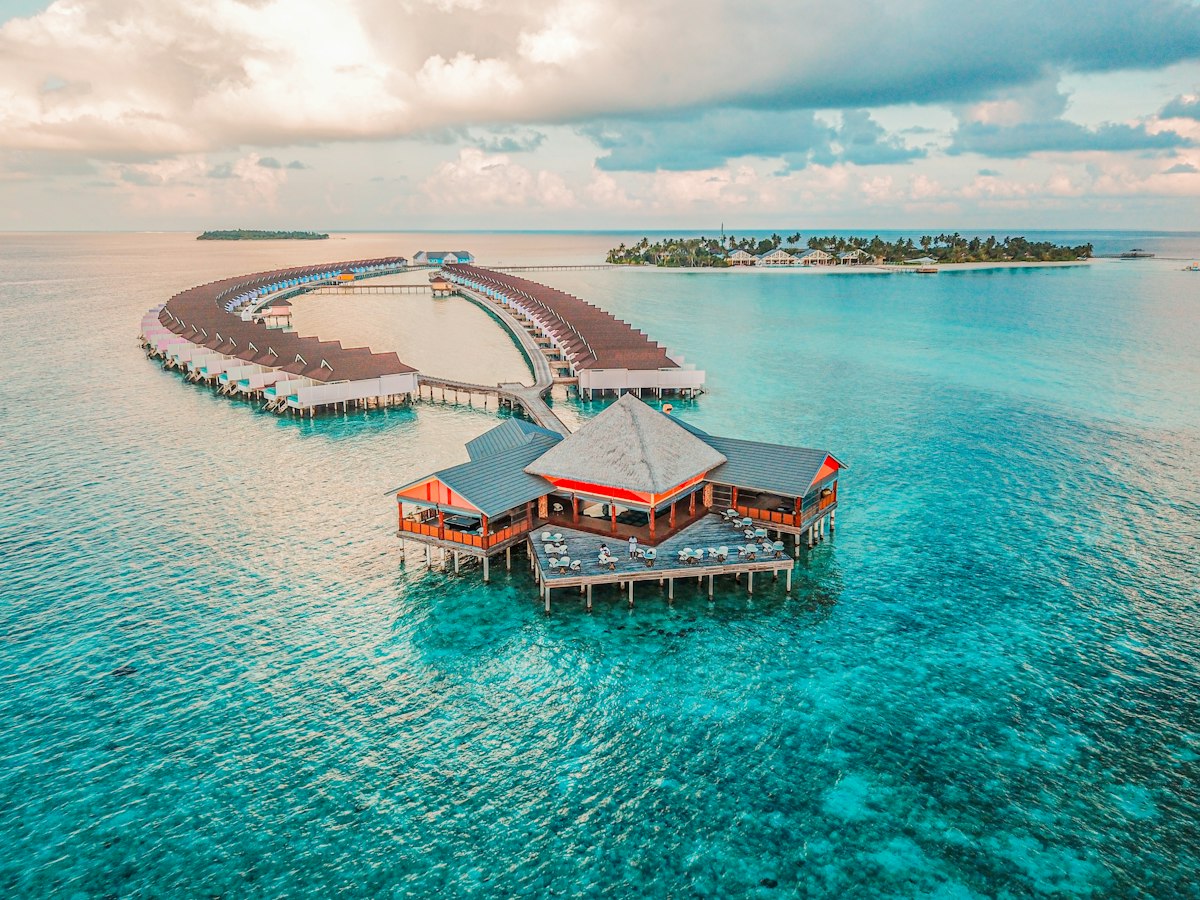
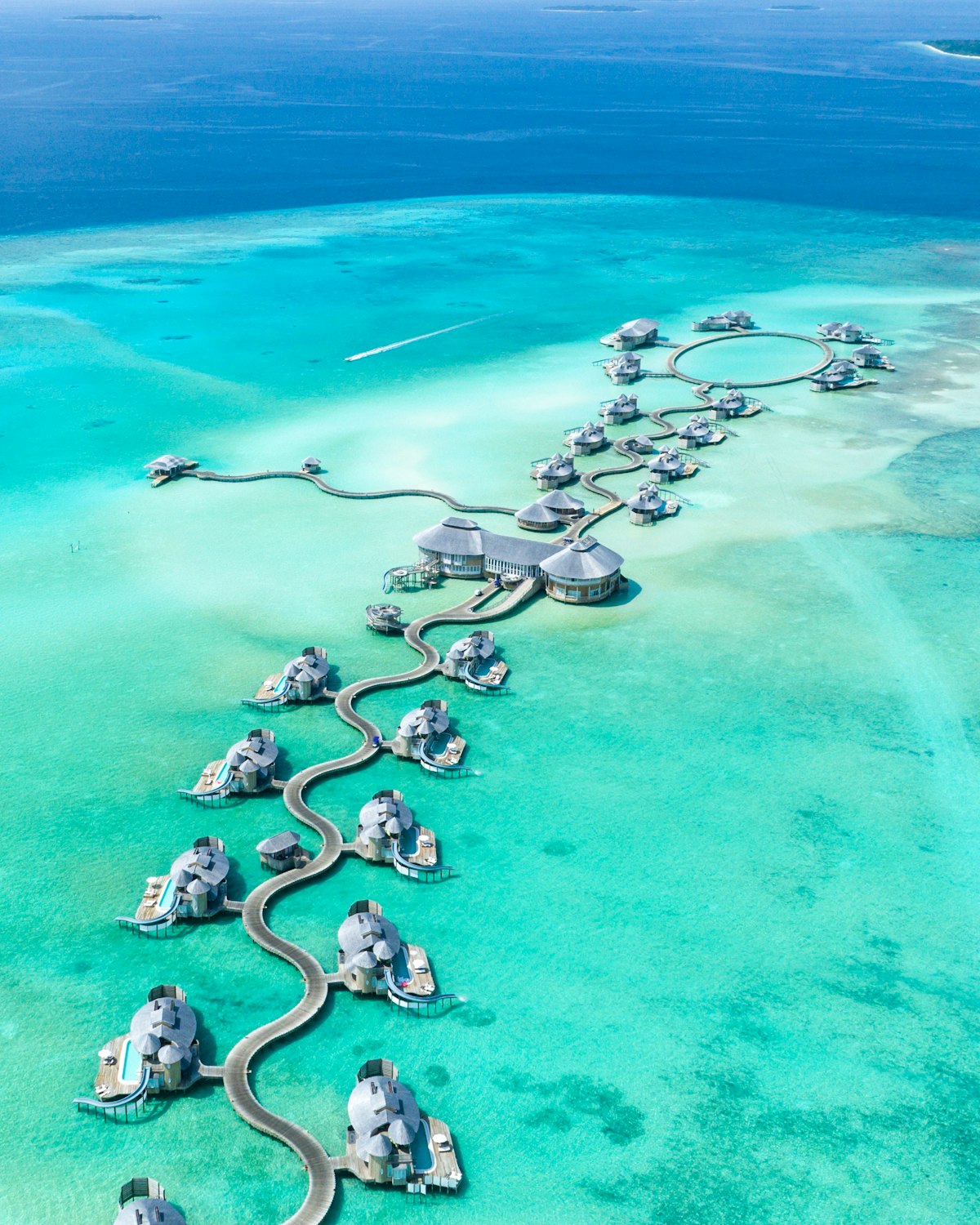
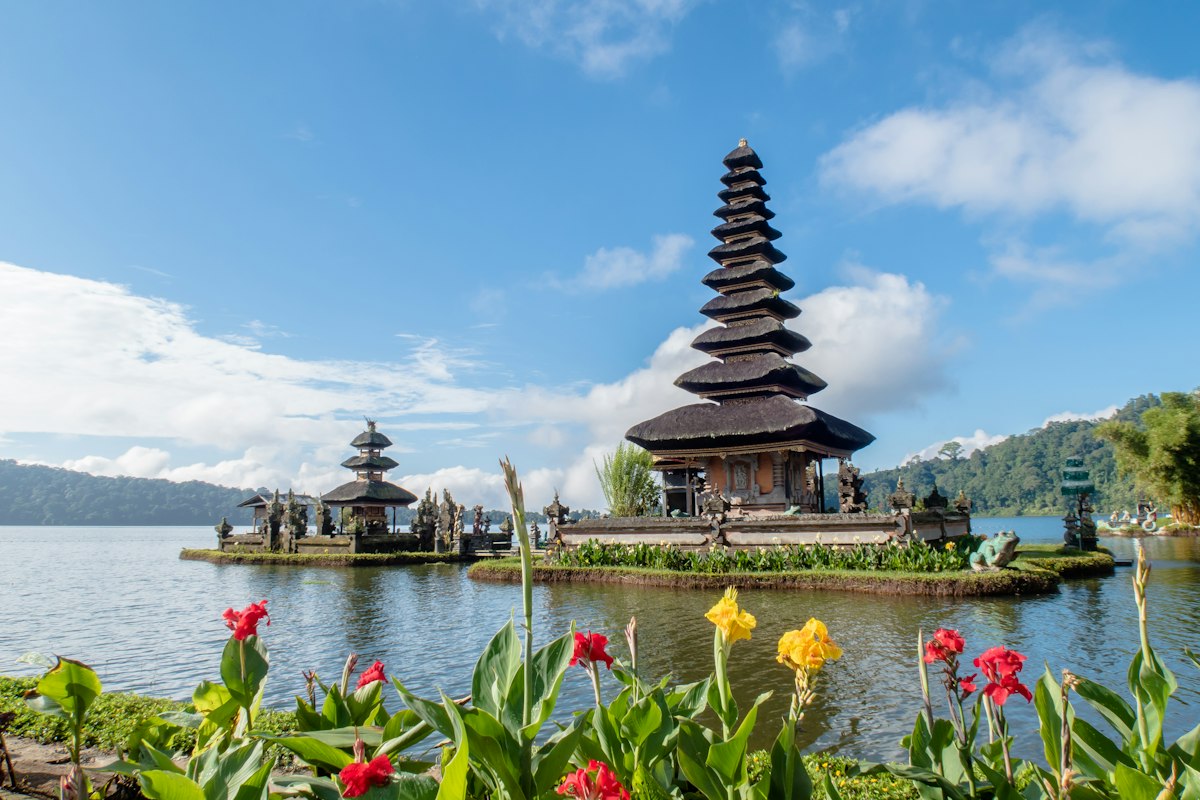
The Maldives in Pictures
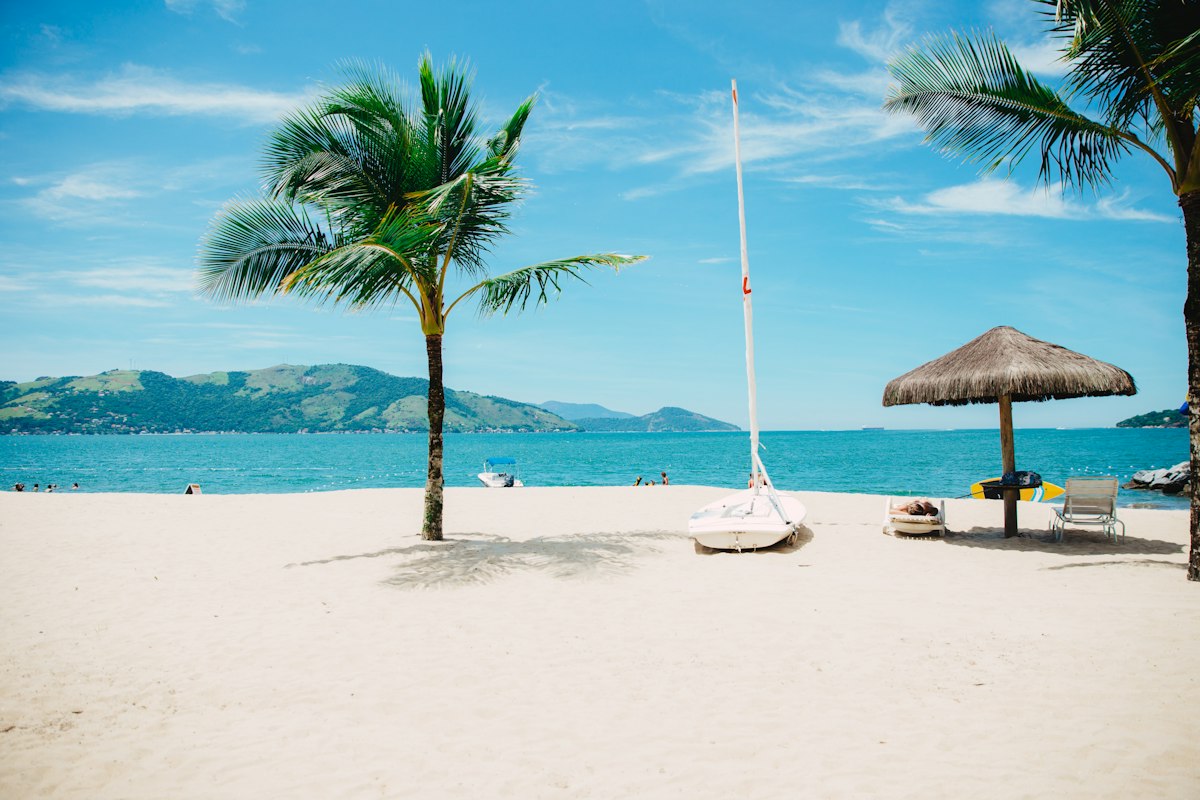
A Perfect Dry-Season Day in the Maldives
A perfect dry-season day in the Maldives starts early with the sunrise over the lagoon, when the water is glassy and the dive boats head out to the outer reefs. The morning is the best time for snorkelling — the vis is at its clearest, the reef sharks are hunting on the drop-off, and the water is still cool from the night. Breakfast on the overwater deck follows, with fresh tropical fruit, pastries, and coffee facing the open ocean.
The middle of the day is the slow part — the sun is at its strongest, the lagoon is at its warmest, and most guests move between the pool, the beach, and a shaded sun bed. It is the right time for a spa treatment at the resort's overwater spa, a cooking class, or a gentle kayak across the lagoon. Lunch is a light beach café affair, and the afternoon is when the diving boats return and the sunset cruises head out.
The evening is the Maldives at its most iconic — a dhoni sunset sail across the flat lagoon, dinner under the stars (or a private sandbank dinner for honeymooners), and the soft thud of the Indian Ocean on the reef. In the dry season this rhythm repeats day after day with barely a cloud to interrupt it; in the wet season a short afternoon shower only makes the sunset more dramatic before the same rhythm resumes.
What to Expect in Each Season
The dry season from late November to April is the classic Maldives: clear skies, low humidity, calm seas, and the best diving visibility. December to March is the flagship window — the weather is reliably perfect, but the resorts are at their priciest, enforce minimum stays over Christmas, and the best overwater villas sell out months ahead. If your priority is guaranteed sunshine for a honeymoon or a special anniversary, this is the window, and January to early February (just after the Christmas peak) is the smartest slice of it.
The wet southwest monsoon from May to October is not a washout — the Maldives sits on the equator and showers are usually short, sharp, and over within hours, with sun returning behind them. Resort rates drop sharply in this window, the southern surf swells arrive on the breaks of the North and South Malé Atolls, and the plankton blooms draw manta rays to Hanifaru Bay and whale sharks to the Ari Atoll in huge numbers. If your priority is value, surfing, or big marine life, the wet season is genuinely the best time to go. Pack reef-safe SPF 50+, a hat, swimwear, and a light waterproof layer.
Plan a 4–7 night stay in the Maldives. Shorter stays tend to feel rushed because the seaplane transfer and the resort rhythm both eat into the first and last days; a longer stay lets you settle into the lagoon, the spa, and the dive boats without feeling that you are leaving too soon — and the longer you stay, the more the nightly rate tends to fall.
Smart Maldives Timing Tips
Where you arrive
All international flights land at Velana International Airport (MLE) on Hulhulé Island, a five-minute ferry from the capital, Malé. From there, transfers to the resort atolls are by domestic flight, seaplane, or speedboat — the transfer time and cost helps decide which atoll is right for your stay.
The dry season is the classic answer
If you want guaranteed sunshine, calm lagoons, and the best visibility for diving and snorkelling, the dry season from late November to April is the best time to visit the Maldives. December to March is the reliable peak, and the overwater villas sell out months ahead.
Book overwater villas 6+ months ahead
The headline overwater pool villas and the best beachfront suites sell out first in the dry-season peak. Book 6+ months ahead for the December-to-March window, especially over Christmas and Lunar New Year, when resorts also enforce minimum-night stays.
Consider seaplane transfer times
Seaplane transfers from Malé only run in daylight, so late-night international arrivals often mean an overnight hotel on Hulhumalé before a morning seaplane to the resort. Book a flight that lands in the morning to reach your resort the same day.
The wet season is best for mantas and surf
If your priority is seeing manta rays at Hanifaru Bay, snorkelling with whale sharks in the Ari Atoll, or surfing the southern swells, the southwest monsoon from May to November is actually the best time to go — and the resort rates drop sharply.
Pack for sun and short showers
Whatever the season, pack reef-safe SPF 50+, a hat, lightweight clothing, swimwear, and a light waterproof layer. The Maldives sits on the equator, so the sun is strong year-round and short showers cool the air rather than ruin a day.
Flights to Malé & Getting Around
All international flights to the Maldives land at Velana International Airport (MLE) on Hulhulé Island, a five-minute ferry from the capital, Malé. Malé is served non-stop by Emirates, Qatar Airways, Singapore Airlines, SriLankan Airlines, Turkish Airlines, and a growing number of direct routes from Europe, Asia, and the Middle East. Book 3+ months ahead for the dry-season peak and the Christmas and Lunar New Year rush — flights to Malé are the second-priciest part of a Maldives trip after the resort.
From the airport, transfers to the resort atolls are by domestic flight, seaplane, or speedboat. Seaplanes only fly in daylight, so a late-night international arrival often means an overnight on Hulhumalé before a morning seaplane. On the resort islands cars are not used, but on Hulhumalé and Malé a rental car, scooter, or taxi is the easiest way to explore the capital, the local islands, and the airport ferry connections.
Book Your Maldives Resort
Reserve an overwater villa or a beachfront suite well ahead of the dry-season peak — the overwater pool villas sell out fastest, especially over Christmas and Lunar New Year. Use the booking tool below to compare resort rates and lock in your dates at the right time of year.
Book Maldives ResortsGetting Around Malé & Hulhumalé
A rental car or scooter is the easiest way to explore Malé, the airport island of Hulhumalé, and the nearby local islands on a day-trip layer of your Maldives stay. The resort islands themselves are car-free — this is for the capital and the airport side of the trip.
Stay Connected with a Maldives eSIM
Activate a Maldives eSIM before you land at Malé so you step off the plane with maps, your resort transfer details, and your seaplane confirmation ready. Pair it with the resort Wi-Fi and you will never need a roaming fee again.
Get a Maldives eSIMRent a Bike or Scooter in Malé
A scooter is a fun, low-cost way to explore Hulhumalé, the airport side of Malé, and the causeways between the local islands. Book a bike or scooter online ahead of time to skip roadside haggling and compare rates on your arrival day.
Rent a BikeThings to Do in the Maldives
Whatever the season, the Maldives delivers a similar set of signature experiences — snorkelling the house reef, diving with manta rays and whale sharks, a sunset dhoni sail, a sandbank picnic, a Malé city walking tour, a sandbank dinner, and an overwater spa day. Most resorts bundle the snorkelling, the sunset sail, and the sandbank picnic into a stay, while diving trips, manta ray snorkels at Hanifaru Bay, and Malé city tours are the most popular bookable day trips from Malé and the resort atolls.
Maldives: Malé Guided City Tour with Local SnacksFrequently Asked Questions
What is the best month to visit the Maldives?
The best months to visit the Maldives are January to March, the heart of the dry northeast monsoon — clear skies, low humidity, calm lagoons, and the best diving visibility. For better value with similar weather, November and April are the shoulder-month sweet spots on either side of the dry season, with the same warm lagoons at noticeably lower resort rates.
When is the cheapest time to visit the Maldives?
The cheapest time to visit the Maldives is the southwest monsoon from May to October, when resort rates drop sharply in exchange for a higher chance of short tropical showers, stronger winds, and occasional cloud. May, June, and November are the cheapest months and still deliver warm water and plenty of sunshine between downpours.
When is the Maldives rainy season?
The Maldives rainy season, or southwest monsoon (Hulhangu), runs from May to October. It brings short, heavier showers, stronger winds, and a slightly higher chance of storms, but it rarely rains all day — the sun usually returns within hours, and the seas still warm enough for swimming, snorkelling, and diving.
When is the best time to visit the Maldives for diving and snorkelling?
The dry season from November to April offers the best underwater visibility for diving and snorkelling, with calm lagoons and clear blue water. For manta rays and whale sharks specifically, the southwest monsoon from May to November is the best time, as the plankton blooms at sites like Hanifaru Bay and the Ari Atoll draw them in by the dozen.
When is the Maldives surf season?
The Maldives surf season runs from April to October on the southern swells of the southwest monsoon, peaking from June to August on the breaks of the North and South Malé Atolls. The wet season is the right time to go for surfers, and the surf resorts drop their rates at exactly the same time.
Is the Maldives worth visiting in the wet season?
Yes — the wet season from May to October is worth visiting if your priority is value, marine life, or surf. Resort rates drop sharply, manta ray and whale shark sightings peak, the southern surf swells arrive, and the short showers rarely last all day. Pack a light waterproof layer and embrace the quieter, cheaper side of the Maldives.
Final Tips for Choosing When to Go
The right time to visit the Maldives comes down to what you want from the trip. For a honeymoon or an anniversary, the dry season from late November to April — and especially January to early February — is the reliable answer: clear skies, calm lagoons, and the best diving visibility, at the cost of the highest prices and the busiest resorts. For a budget-conscious trip, a surfing holiday, or a marine-life-focused adventure, the southwest monsoon from May to October is genuinely the best time to go, with mantas and whale sharks at their peak and resort rates dropping sharply.
With flights to Malé, an overwater villa booked for the right month, a Hulhumalé rental car for your airport side-trip, a Maldives eSIM before you land, a scooter for Malé, and your diving, manta snorkel, and Malé city tours reserved, all that is left is the seaplane to the resort, the first dip in the lagoon, the first sunset on the deck, and the slow Indian Ocean days that have made the Maldives the most photographed island destination in the world. Use the booking tools on this page to make the whole trip happen in one place.
Plan Your Maldives Trip Today
Compare live flights to Malé, book your Maldives resort for the right month, arrange a Hulhumalé rental car or scooter, set up a Maldives eSIM, and reserve the diving, manta snorkel, and Malé tours that make the trip — all in one place.