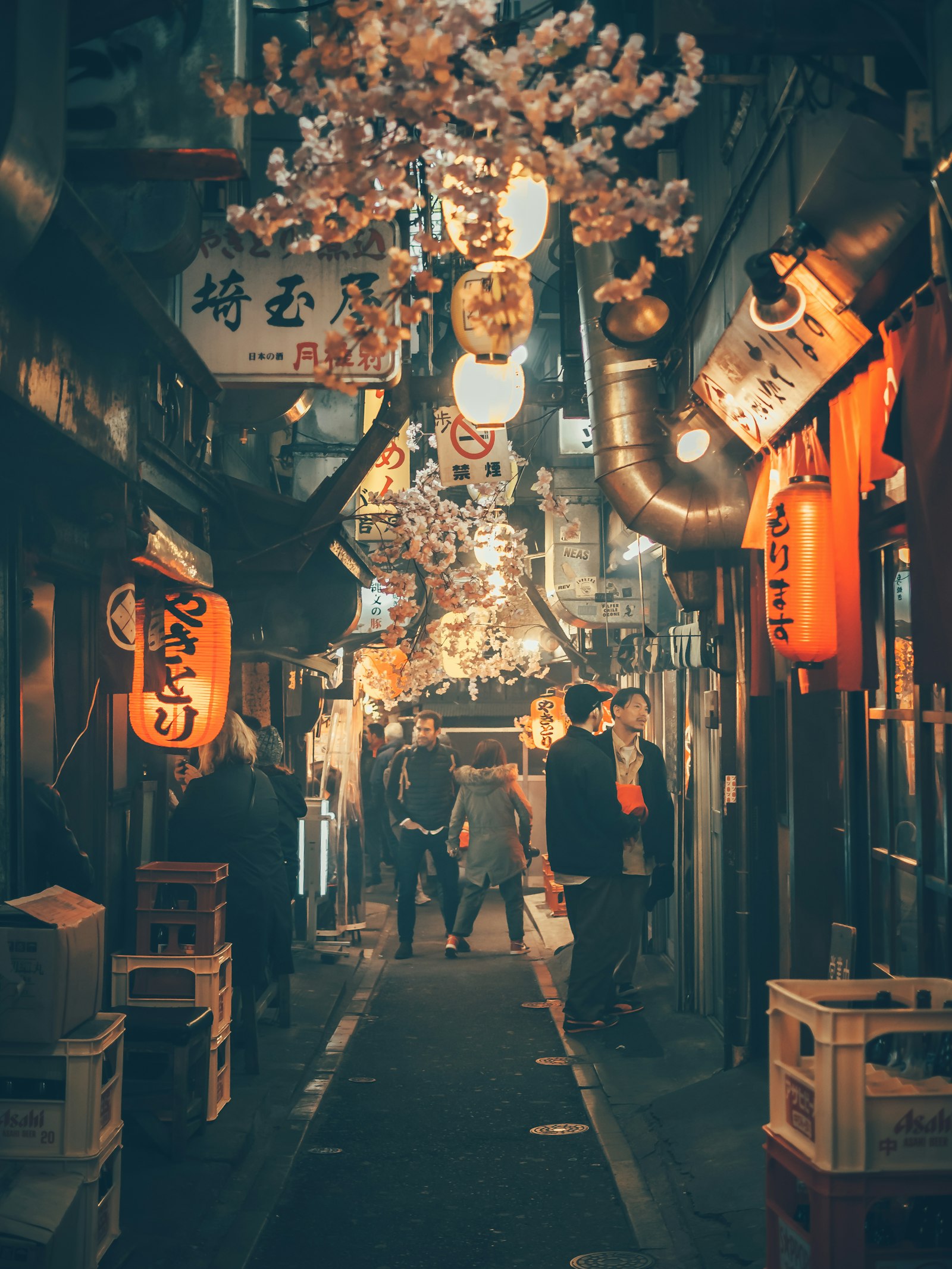
No city on Earth takes food more seriously than Tokyo. It has more Michelin stars than Paris and New York combined, yet some of its most memorable meals cost less than a coffee back home — a bowl of ramen slurped standing up, a handful of yakitori skewers grilled over charcoal in a smoky alley, or a piece of sushi cut to order at a counter that's been perfecting the craft for generations. Tokyo's restaurant scene isn't confined to a single neighborhood or price point; it's woven into nearly every block of the city, from underground train-station ramen counters to Ginza dining rooms that require a reservation months out.
Whether you're planning a trip built entirely around food or just want to eat well between sightseeing stops, this guide covers the best restaurant neighborhoods, the dishes worth seeking out, dining etiquette that'll make you feel like a local, and the practical bookings — flights, hotels, a rental car for day trips, an eSIM for data the moment you land, a bike rental for exploring between meals, and guided food tours — that bring a Tokyo food trip together.
Why Tokyo Is a Food Lover's City
More Michelin Stars Than Any City
Tokyo consistently tops the Michelin Guide's rankings, with hundreds of starred restaurants ranging from tiny ten-seat sushi bars to elaborate kaiseki dining rooms.
Incredible Food at Every Price
A $5 bowl of ramen can be just as unforgettable as a $300 omakase — Tokyo's food culture rewards curiosity at every budget.
Deep Specialization
Many restaurants serve just one dish — a single ramen style, only tempura, or exclusively unagi (eel) — refined over decades rather than trying to do everything.
Easy to Explore on Foot or Rail
With trains reaching nearly every neighborhood, hopping between a lunch spot in Shibuya and a dinner reservation in Ginza takes minutes, not hours.
Best Neighborhoods for Restaurants
Tsukiji Outer Market
Even though the wholesale fish auctions moved to Toyosu, Tsukiji's outer market remains one of Tokyo's best places for a fresh sushi breakfast, grilled seafood skewers, and rolled tamago omelet stalls. Arrive early — the best counters sell out and close by early afternoon.
Shinjuku's Omoide Yokocho
Nicknamed "Memory Lane," this narrow alley of smoke-filled yakitori stalls sits just steps from Shinjuku Station's West Exit. Tiny counters seat a handful of diners each, serving grilled skewers, cold beer, and an atmosphere that feels frozen in postwar Tokyo.
Shibuya for Ramen & Ramen Bars
Shibuya's back streets hide some of Tokyo's most acclaimed ramen shops, from rich tonkotsu broths to shoyu-based bowls with hand-pulled noodles. Look for the ticket-machine ordering system common at many counters — pick your bowl, pay at the machine, then hand your ticket to the chef.
Ginza's Fine Dining & Sushi Counters
Home to some of the highest concentrations of Michelin-starred restaurants in the world, Ginza is where to splurge on an omakase sushi counter or a multi-course kaiseki dinner. Reservations for the top names open weeks or months in advance.
Ameya-Yokocho Market, Ueno
A bustling street market near Ueno Station mixing fresh seafood stalls, street snacks, and casual izakaya counters. It's a more local, less touristy alternative to Tsukiji for grazing your way through Tokyo's street food.
Ebisu & Nakameguro for Wine Bars and Bistros
These neighboring districts have become Tokyo's go-to spots for a more relaxed, wine-bar-and-bistro dining scene, blending Japanese ingredients with French and Italian techniques along the Meguro River.
Must-Try Dishes
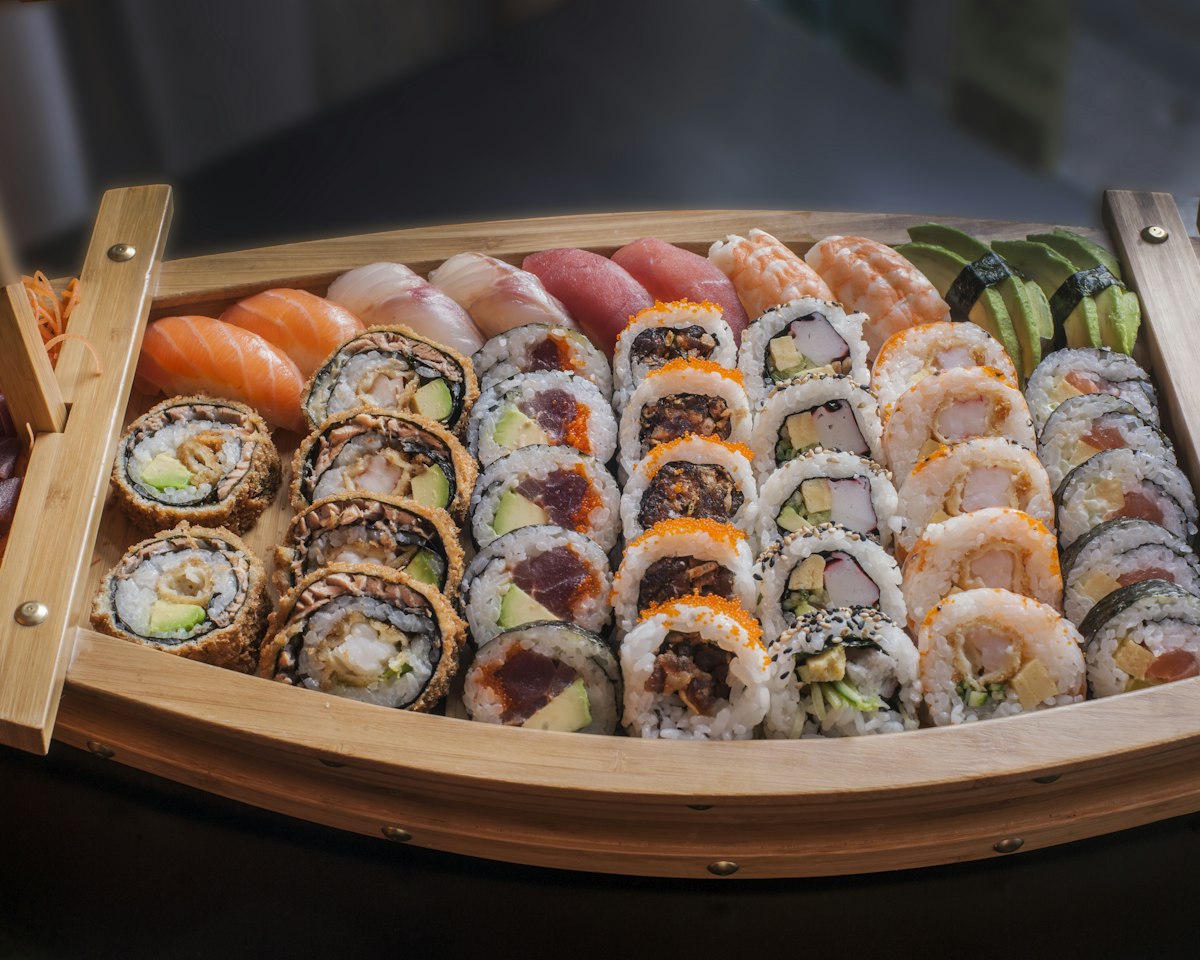
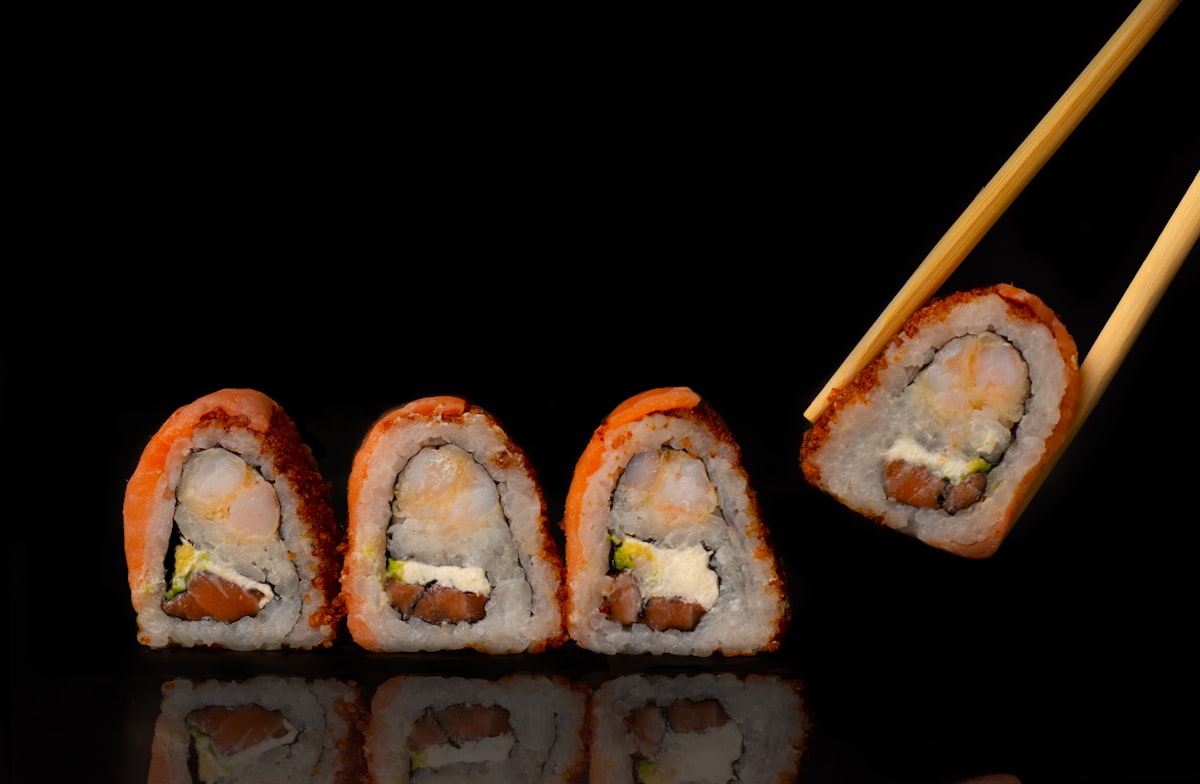
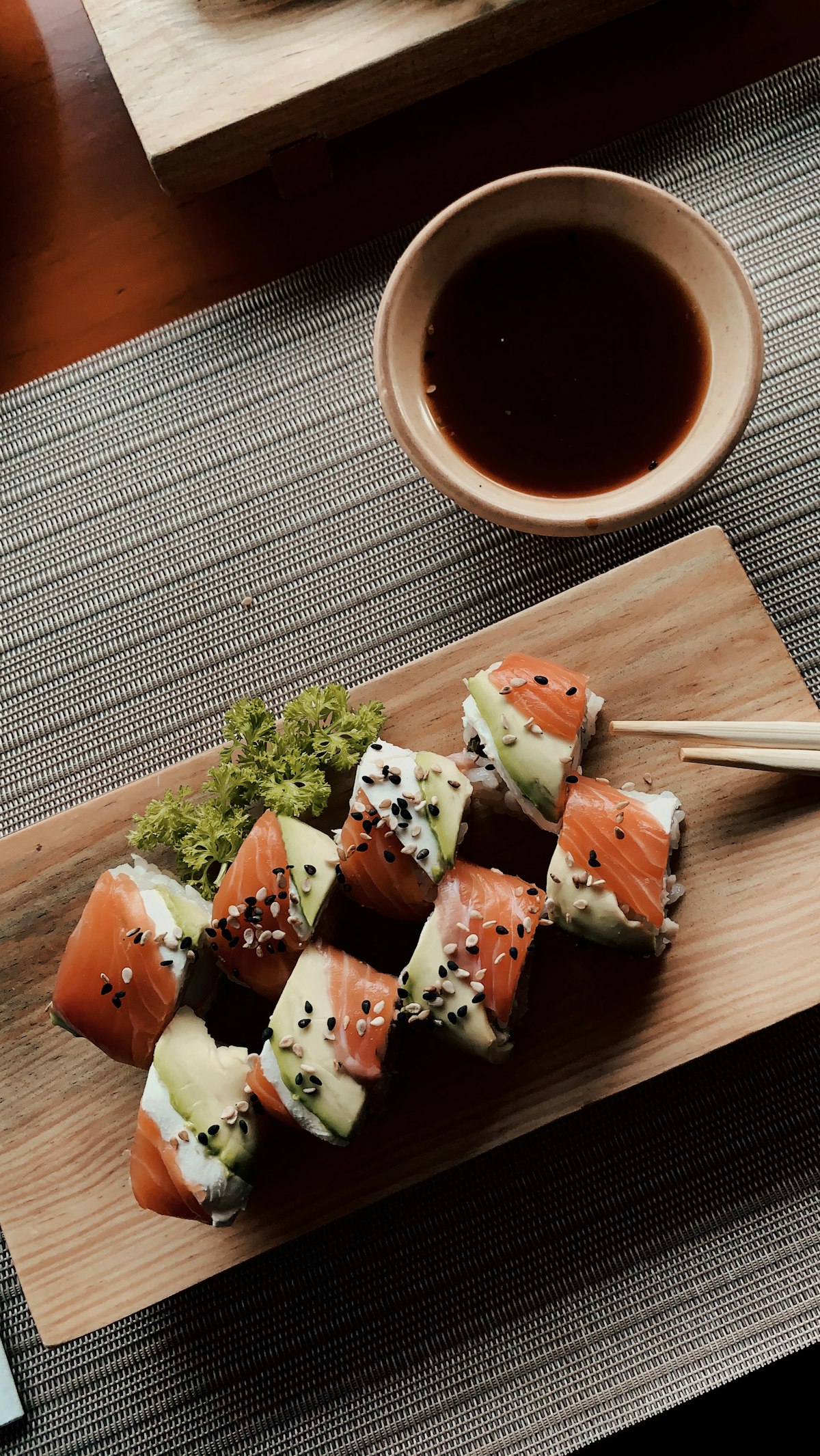
Sushi & Sashimi
From conveyor-belt kaiten-zushi to formal omakase counters, Tokyo offers every price point for the freshest fish in the world.
Ramen
Regional styles abound — tonkotsu, shoyu, miso, and tsukemen (dipping noodles) each have devoted shops with lines out the door.
Yakitori
Skewered, charcoal-grilled chicken parts served at smoky alleyway counters, best paired with a cold beer or highball.
Tempura
Lightly battered, perfectly fried seafood and vegetables, often served as a multi-course tasting menu at specialist counters.
Wagyu & Yakiniku
Tableside grilling of marbled Japanese beef, ranging from casual yakiniku chains to premium wagyu tasting courses.
Izakaya Small Plates
Tokyo's answer to tapas — casual pub food meant for sharing over drinks, from grilled fish to fried karaage chicken.
Dining Etiquette in Tokyo
- Say "itadakimasu" before eating and "gochisousama" when finished — small phrases that go a long way with staff
- Tipping is not customary in Japan and can even cause confusion — the listed price is the price
- Slurping noodles is completely normal and even encouraged, especially for ramen and soba
- Many top sushi counters and small restaurants require reservations, sometimes weeks ahead — book early for special meals
- Cash is still preferred at many small, family-run restaurants, even though cards are increasingly accepted
- Some counters have a strict no-photography policy for other diners and the chef — always ask first
Best Time to Visit for Food
Tokyo's food scene shifts with the seasons — spring brings sakura-themed sweets and fresh bamboo shoots, summer calls for cold noodle dishes like hiyashi chuka and zaru soba, autumn is prime season for mushrooms, chestnuts, and sanma (Pacific saury), and winter is built around steaming hot pot (nabe) and fugu (pufferfish) at specialist restaurants.
Whatever season you visit, book high-end restaurant reservations well ahead of time — the best sushi counters and kaiseki dining rooms often fill up weeks or months in advance, especially around holidays.
Tokyo Dining in Pictures
Book Tokyo Food Tours & Activities
From guided street food crawls through Shinjuku's back alleys to sushi-making classes and sake-tasting experiences, browse and book top-rated Tokyo tours and activities below.
Getting Around to Eat Your Way Through Tokyo
- The JR Yamanote Line loops through most major restaurant neighborhoods, from Shibuya to Ueno
- A prepaid IC card (Suica or Pasmo) works across nearly all trains, subways, and buses — ideal for restaurant hopping
- Rental cars are best saved for day trips outside the city rather than getting between restaurants
- Bike rentals are a fun way to explore riverside neighborhoods like Nakameguro and Asakusa between meals
- Haneda Airport (HND) is closest to central Tokyo; Narita (NRT) is farther out but often has more international routes
Flights to Tokyo
Compare live fares into Haneda (HND) or Narita (NRT) from hundreds of airlines.
Hotels Near the Best Food
Stay close to Shinjuku, Shibuya, or Ginza's restaurant scenes — book your Tokyo accommodation here.
Book HotelsRental Cars
Reach farm-to-table restaurants and seafood towns beyond Tokyo on your own schedule.
Stay Connected with a Tokyo eSIM
Skip the airport SIM counters and get an eSIM set up before you land, so restaurant maps and translation apps work the moment you touch down.
Get a Tokyo eSIMRent a Bike
Cycling between food stalls along the Sumida River or in Nakameguro is a relaxed way to eat your way through the city — book a bike online in advance.
Rent a BikeFrequently Asked Questions
What is the best food neighborhood in Tokyo?
It depends what you're after — Tsukiji Outer Market for fresh seafood breakfasts, Shinjuku's Omoide Yokocho for yakitori, Ginza for fine dining and sushi, and Shibuya for ramen and casual late-night eats are all excellent starting points.
Do I need reservations for restaurants in Tokyo?
For casual ramen shops, izakayas, and street food stalls, no reservation is needed. For high-end sushi counters, kaiseki restaurants, and Michelin-starred spots, book weeks or even months in advance, especially for dinner service.
Is it expensive to eat well in Tokyo?
Not necessarily — some of Tokyo's best meals are inexpensive ramen bowls, conveyor-belt sushi, or street food stalls costing a few dollars. Fine dining and premium sushi counters can run into the hundreds of dollars per person, but excellent food exists at every budget.
What should I know about dining etiquette in Tokyo?
Tipping isn't expected, slurping noodles is normal, and it's polite to say "itadakimasu" before eating. Many small restaurants are cash-only, so carry yen even in a modern, tech-forward city.
When is the best time to visit Tokyo for food?
Any time of year works, though spring and autumn bring pleasant weather for wandering between food stalls and markets. Winter is prime season for hot pot (nabe) dishes, while summer brings cold noodle dishes like hiyashi chuka and zaru soba.
Do I need a car to get to Tokyo's best restaurants?
No — Tokyo's train and subway network reaches every major dining neighborhood. A rental car is more useful for day trips outside the city rather than restaurant-hopping within Tokyo itself.
Plan Your Tokyo Food Trip Today
Tokyo's restaurant scene rewards travelers who mix a splurge omakase dinner with a late-night ramen counter and a standing yakitori bar — there's no wrong way to eat your way through the city. Start planning by comparing flights, locking in a hotel near your favorite food neighborhood, and arranging your eSIM and bike rental below.