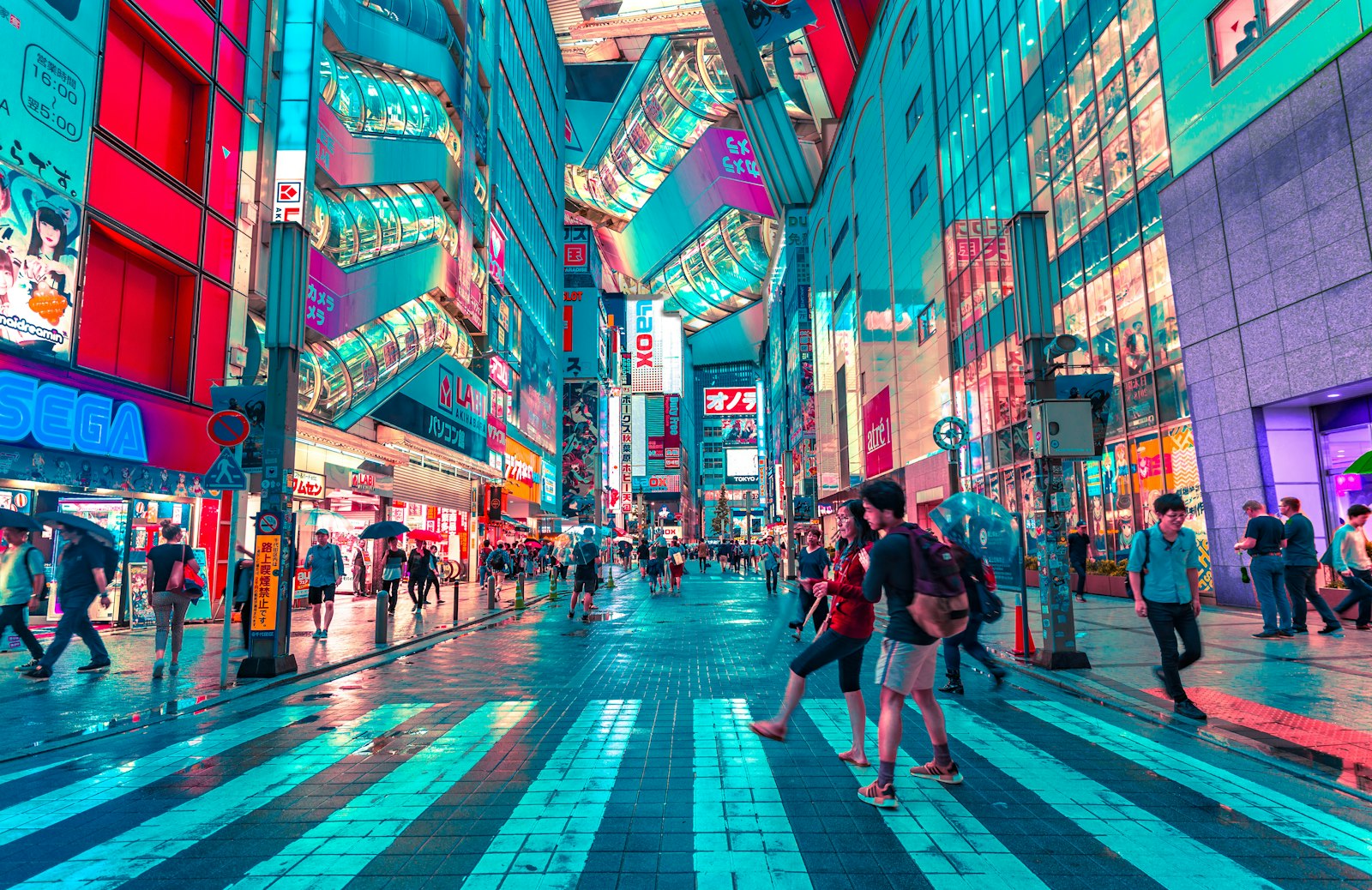
Tokyo is a city of contrasts that somehow never feels contradictory: centuries-old shrines sit a few blocks from neon-lit shopping districts, ultra-modern bullet trains glide past quiet residential neighborhoods, and some of the world's best sushi counters share a street with a 24-hour ramen shop. It's the largest metropolitan area on Earth, yet one of the easiest big cities to navigate, thanks to a train network that runs on the minute and signage that's increasingly bilingual for international visitors.
Whether you're coming for the food, the temples, the shopping, or the neon-drenched nightlife of Shinjuku and Shibuya, planning a Tokyo trip is straightforward once you know where to stay, when to go, and how to get around. This guide walks through the city's best neighborhoods, the sights worth building your itinerary around, and the practical bookings — flights, hotels, a rental car for day trips, an eSIM for data the moment you land, and a bike rental for covering ground on two wheels — that make the trip come together.
Why Visit Tokyo?
World-Class Food Scene
From Michelin-starred sushi counters to standing-room ramen shops and convenience-store snacks that somehow taste incredible, Tokyo has more Michelin stars than any other city in the world.
Effortless Public Transit
The JR and metro networks connect virtually every neighborhood, running frequently and on time, so you rarely need a car within the city itself.
Old Meets New
Centuries-old temples and gardens sit minutes from futuristic skyscrapers, robot cafés, and some of the most advanced retail and entertainment districts anywhere.
Easy Day Trips
Mount Fuji, Hakone's hot springs, and the shrines of Nikko are all within a two-hour train or drive from central Tokyo, making it easy to add variety to a longer stay.
Top Things to See and Do
Explore Senso-ji and Asakusa
Tokyo's oldest temple sits at the end of Nakamise-dori, a lively pedestrian street lined with stalls selling street snacks, souvenirs, and traditional crafts. Arrive early to see the towering Kaminarimon gate without the crowds, then wander the surrounding Asakusa lanes for rickshaw rides and river views along the Sumida.
Cross Shibuya Scramble
The world's busiest pedestrian crossing is a Tokyo rite of passage — thousands of people flow across in every direction the moment the lights change. Get an elevated view from the Shibuya Sky observation deck or a nearby café window, then dive into the surrounding shopping streets and Hachiko Square.
Ride to the Top of Tokyo Skytree
At 634 meters, Tokyo Skytree is one of the tallest structures in the world, with two observation decks offering panoramic views that stretch to Mount Fuji on clear days. The base complex, Tokyo Solamachi, adds shopping, an aquarium, and a planetarium if you want to make an afternoon of it.
Wander Shinjuku Gyoen National Garden
This sprawling park blends French, English, and traditional Japanese landscaping into one of Tokyo's most peaceful escapes from the city's density. Cherry blossoms in spring and fiery maple leaves in autumn draw crowds, but it's a rewarding, quiet walk any time of year.
Eat Your Way Through Tsukiji Outer Market
While the main wholesale auctions moved to Toyosu, Tsukiji's outer market remains one of the best places in Tokyo for fresh sushi breakfasts, grilled seafood skewers, and knife shops. Go hungry and graze your way down the narrow lanes early in the morning for the freshest catch.
Experience Akihabara's Electric Town
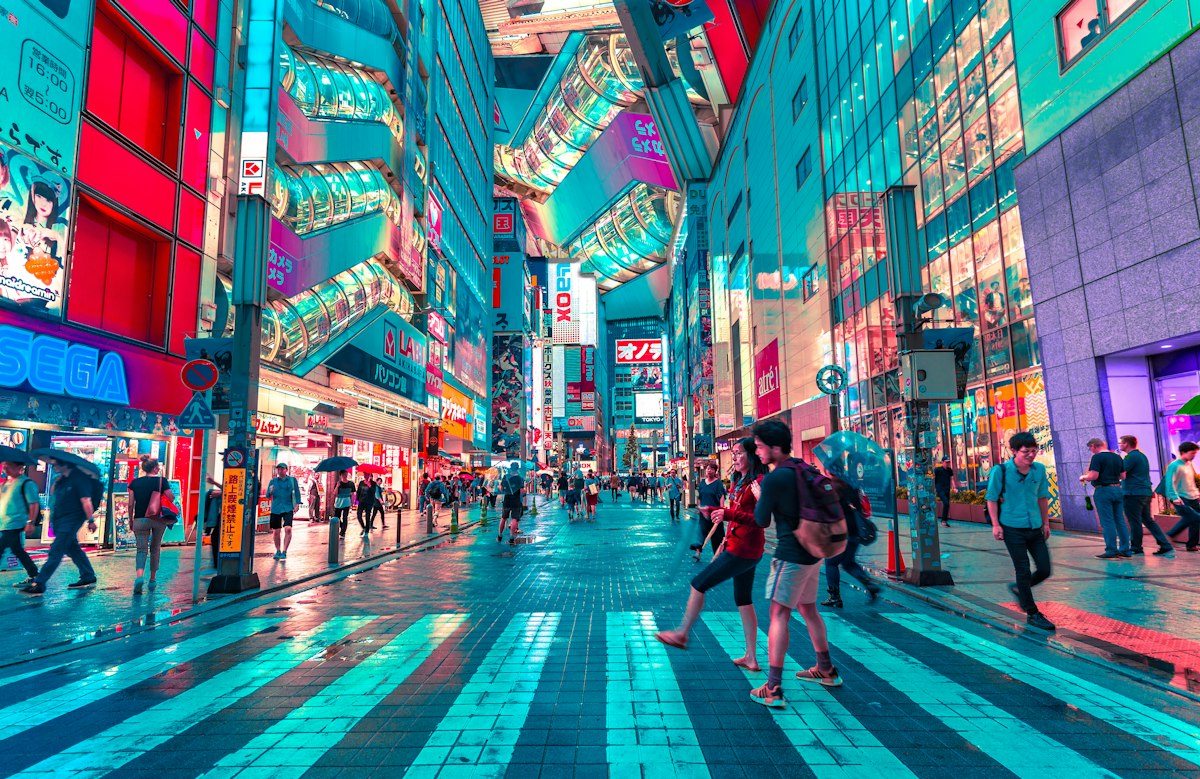
Tokyo's anime, gaming, and electronics hub is a sensory overload of neon signage, multi-floor arcades, and retro game shops. Beyond the shopping, Akihabara is also home to maid cafés, figure stores, and some of the city's most distinctive pop culture landmarks.
Visit Meiji Jingu Shrine
Tucked inside a forested sanctuary donated by citizens across Japan, Meiji Jingu offers a serene contrast to neighboring Harajuku's fashion crowds. Time your visit for a traditional Shinto wedding procession, and don't miss the sake barrel wall near the entrance.
Day Trip to Mount Fuji or Hakone
Roughly two hours from central Tokyo, the Hakone region offers hot springs, Lake Ashi cruises, and — on a clear day — postcard views of Mount Fuji from the Hakone Ropeway. It's an easy rail day trip that pairs well with a rental car for exploring at your own pace.
Where to Stay: Best Neighborhoods
Shinjuku
A hub of skyscrapers, nightlife, and Japan's busiest train station — ideal for first-time visitors who want everything within walking distance.
Shibuya
Fashion, youth culture, and the famous scramble crossing, with easy rail links to the rest of the city.
Asakusa
Tokyo's traditional old town feel, close to Senso-ji temple and the Sumida River, with a quieter pace in the evenings.
Ginza
Upscale shopping and dining, well-suited to travelers who want a polished, central base near the Imperial Palace.
Best Time to Visit Tokyo
Spring, from late March through April, is Tokyo's most popular season thanks to cherry blossoms in parks like Ueno and along the Meguro River, though hotel prices and crowds peak alongside the blooms. Autumn, from mid-October through November, offers similarly comfortable temperatures with fewer crowds and rich fall foliage in gardens such as Shinjuku Gyoen and Rikugien.
Summer brings heat and humidity along with lively festivals and fireworks displays, while winter is cool, dry, and generally uncrowded — a good option if you'd rather focus on museums, shopping, and indoor attractions without the seasonal price bump.
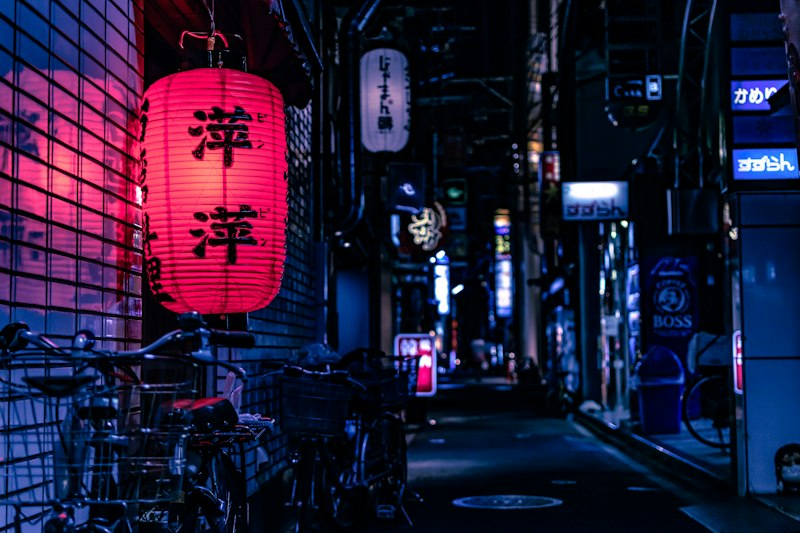
Tokyo in Pictures
Book Tokyo Tours & Activities
From sushi-making classes and sumo morning practice visits to guided day trips out to Mount Fuji and Hakone, browse and book top-rated Tokyo tours and activities below.
Popular Tokyo Experiences
A hand-picked selection of Tokyo's most memorable tours and tickets — from samurai history to sumo shows and a Mount Fuji day trip.
Asakusa & Tokyo's Oldest Temple, Senso-ji Tour
Guided walk through Asakusa and the historic Senso-ji temple grounds.
Book on GetYourGuide
Samurai & Ninja Museum Guided Tour and Experience
Hands-on samurai and ninja history experience with costume try-ons.
Book on GetYourGuide
Japan Baseball Tour: Catch a Live Game with a Local
Experience Japan's beloved pastime at a live baseball game with a local guide.
Book on GetYourGuide
Shinjuku Sumo Show Experience with Photo
Up-close sumo demonstration in Shinjuku with a photo opportunity.
Book on GetYourGuide
Meiji Shrine Walking Tour: Shinto & Imperial System
Learn the history of Shinto and Japan's imperial system at Meiji Jingu.
Book on GetYourGuide
Sumo Practice Show with Chanko Meal (Chicken Hot Pot)
Watch a sumo morning practice session followed by a traditional chanko hot pot meal.
Book on GetYourGuide
Art Aquarium Museum Ginza Entry Ticket
A dazzling art-meets-aquarium exhibit blending goldfish displays with light installations.
Book on GetYourGuide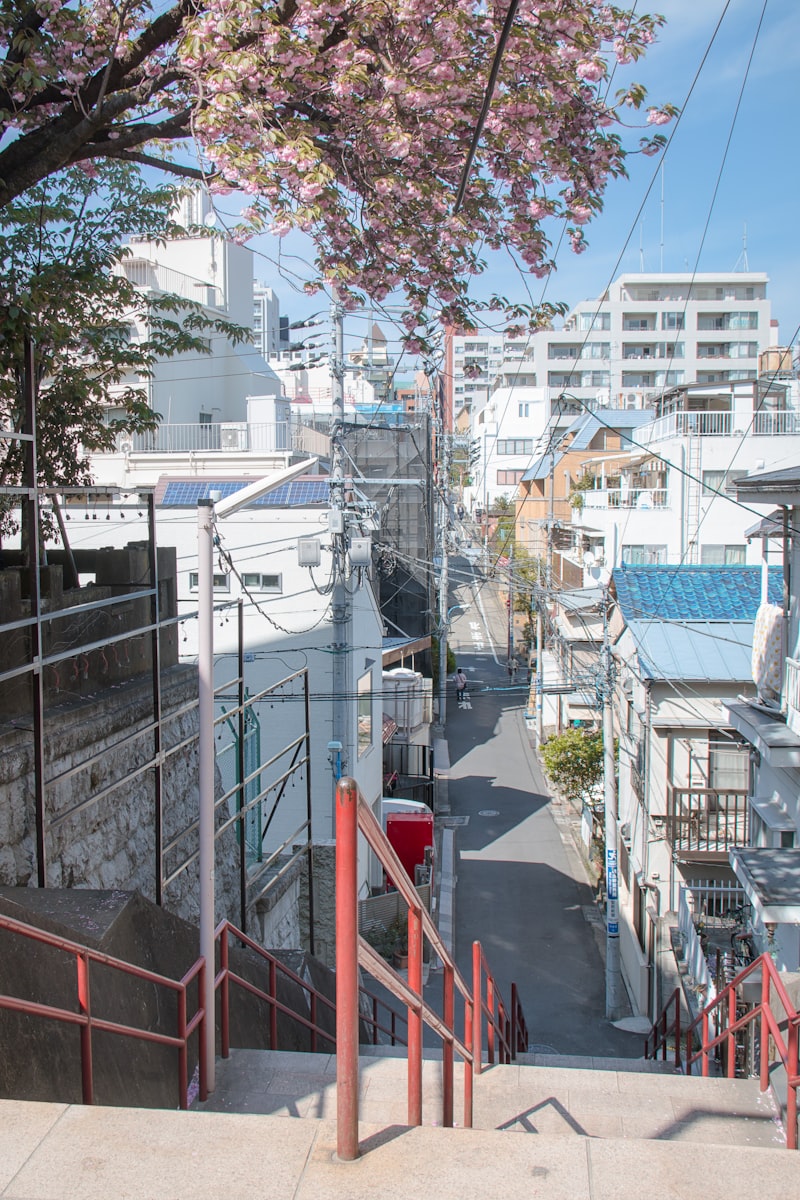
Roppongi Hills Observatory Ticket
Sweeping 360-degree views of Tokyo from the Roppongi Hills observation deck.
Book on GetYourGuide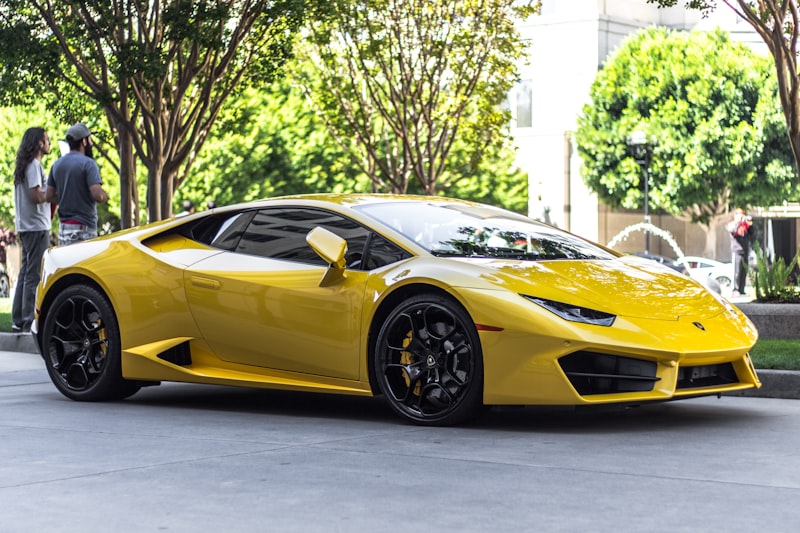
Fast & Furious: Tokyo Drift 3 Experience
High-speed drift ride experience inspired by the Tokyo Drift movie.
Book on GetYourGuide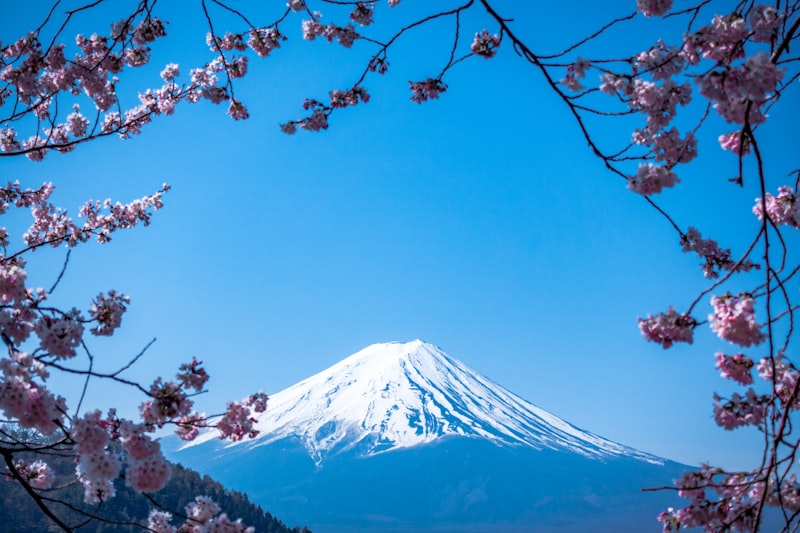
Mt. Fuji, Chureito Pagoda, Lake Kawaguchi & Oshino Hakkai
Full-day tour to Mount Fuji's iconic pagoda, lake views, and springs village.
Book on GetYourGuide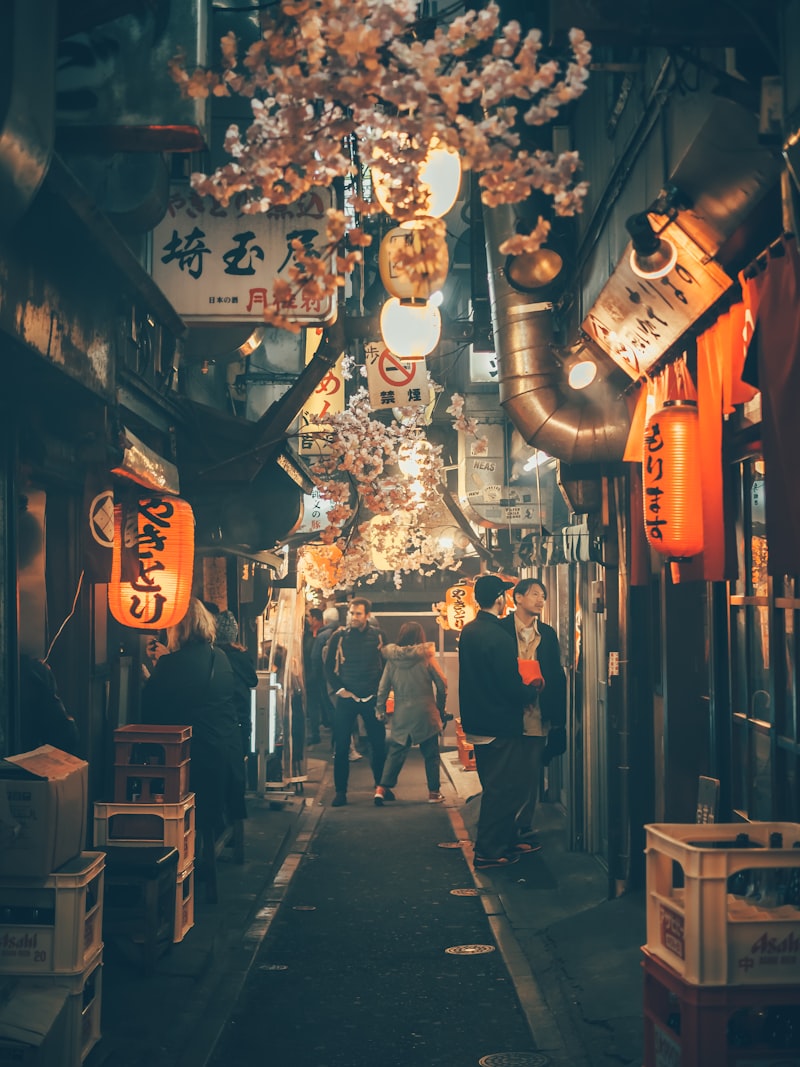
To/From Narita Airport Skyliner One-Way Train Ticket
Book your Skyliner train ticket in advance for a fast, comfortable Narita Airport transfer.
Book on GetYourGuide
Kabukiza Theatre Kabuki Show Admission Ticket
Watch a traditional Kabuki theatre performance at Tokyo's famed Kabukiza.
Book on GetYourGuideGetting Around Tokyo
- The JR Yamanote Line loops through most major neighborhoods and is the backbone of first-time visits
- A prepaid IC card (Suica or Pasmo) works across nearly all trains, subways, and buses — buy one on arrival
- Rental cars are best saved for day trips beyond the city, such as Hakone, Nikko, or the Fuji Five Lakes
- Bike rentals are a great way to cover the Asakusa, Sumida River, and Imperial Palace areas at your own pace
- Haneda Airport (HND) is closest to central Tokyo; Narita (NRT) is farther out but often has more international routes
Flights to Tokyo
Compare live fares into Haneda (HND) or Narita (NRT) from hundreds of airlines.
Hotels Across Tokyo
From Shinjuku skyscraper hotels to boutique stays in Asakusa, book your Tokyo accommodation here.
Book HotelsRental Cars
Reach Hakone, Nikko, and the Fuji Five Lakes region on your own schedule with a rental car.
Stay Connected with a Tokyo eSIM
Skip the airport SIM card counters and get an eSIM set up before you land, so you have data and maps working the moment you touch down at Haneda or Narita.
Get a Tokyo eSIMRent a Bike
Cycling is a relaxed way to see riverside Tokyo and the old town — book a bike online in advance and skip the rental-shop queues.
Rent a BikeFrequently Asked Questions
What is the best time of year to visit Tokyo?
Spring (late March to April) for cherry blossoms and autumn (October to November) for mild weather and fall foliage are the most popular times to visit. Summer is hot and humid, while winter is cool but crowd-free and good for city sightseeing.
How many days do I need in Tokyo?
Four to five days is enough to cover the major neighborhoods, temples, and a day trip to Hakone or Nikko. A week gives you more breathing room to explore at a relaxed pace and add a second day trip.
Do I need a car in Tokyo?
No — Tokyo's train and subway network is extensive, fast, and easy to navigate. A rental car becomes useful mainly for day trips outside the city, such as Hakone, Nikko, or the Fuji Five Lakes region.
Should I get an eSIM before arriving in Tokyo?
Yes, most travelers find it far more convenient than hunting for a physical SIM or pocket Wi-Fi counter at the airport. An eSIM activates before you land, so you have maps and translation apps working the moment you touch down at Narita or Haneda.
Is it easy to rent a bike in Tokyo?
Yes, bike rentals and bike-share docks are widely available, especially around the Asakusa, Sumida River, and Imperial Palace areas, and are a great way to cover ground that's tiring on foot but too short for the train.
Which airport should I fly into, Narita or Haneda?
Haneda (HND) is closer to central Tokyo, roughly 30–40 minutes by train or monorail, while Narita (NRT) is farther out at around 60–90 minutes but often has more international routes and fare options. Compare both when searching flights.
Plan Your Tokyo Trip Today
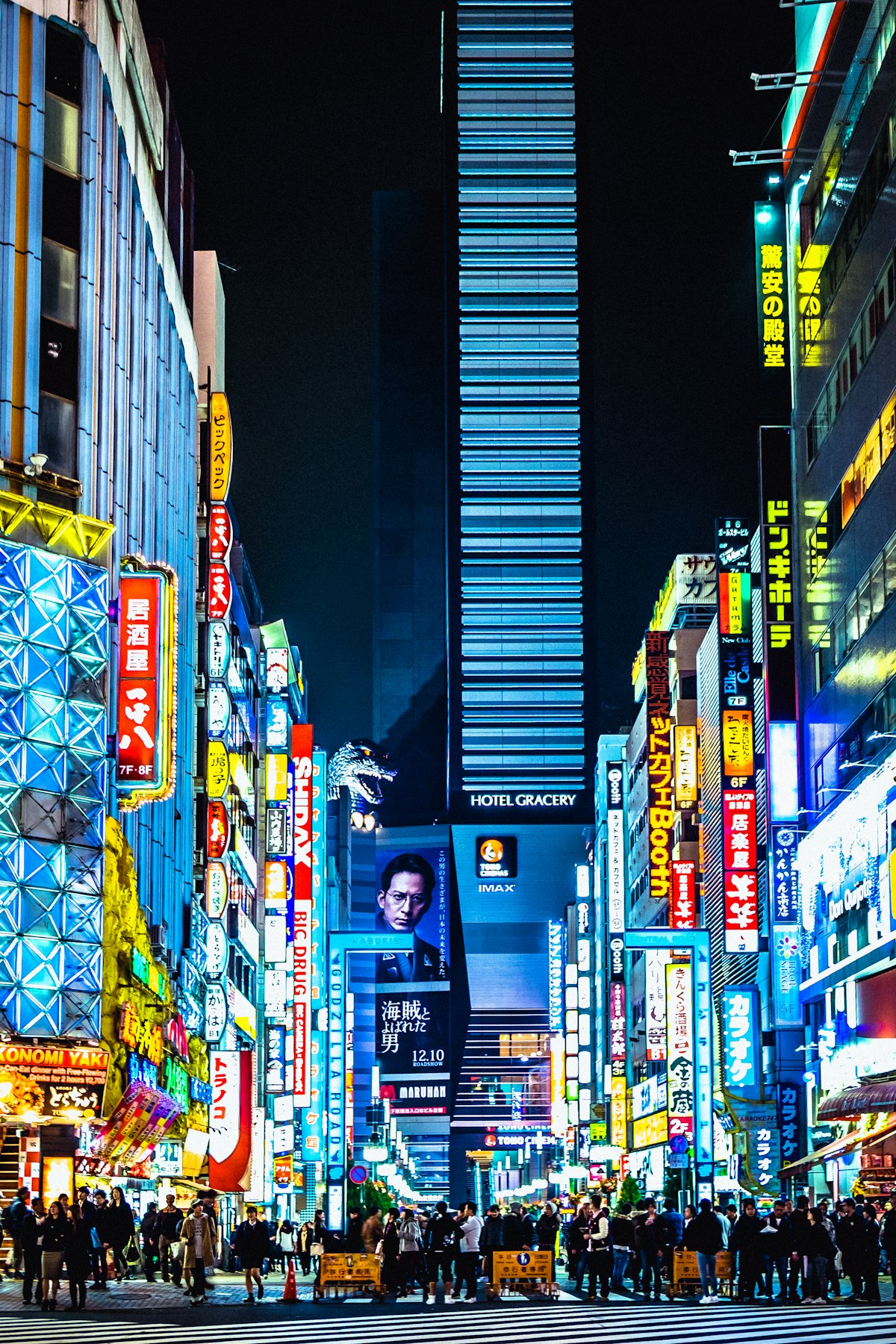
Tokyo rewards travelers who mix the big-name sights with slower, wander-friendly neighborhoods — a morning at Senso-ji, an afternoon lost in Shibuya's side streets, and an evening ramen crawl through Shinjuku's Omoide Yokocho alley. Pair the city with a day trip to Hakone or Nikko, and start planning by comparing flights, locking in a hotel near your preferred neighborhood, and arranging your eSIM and bike rental below.