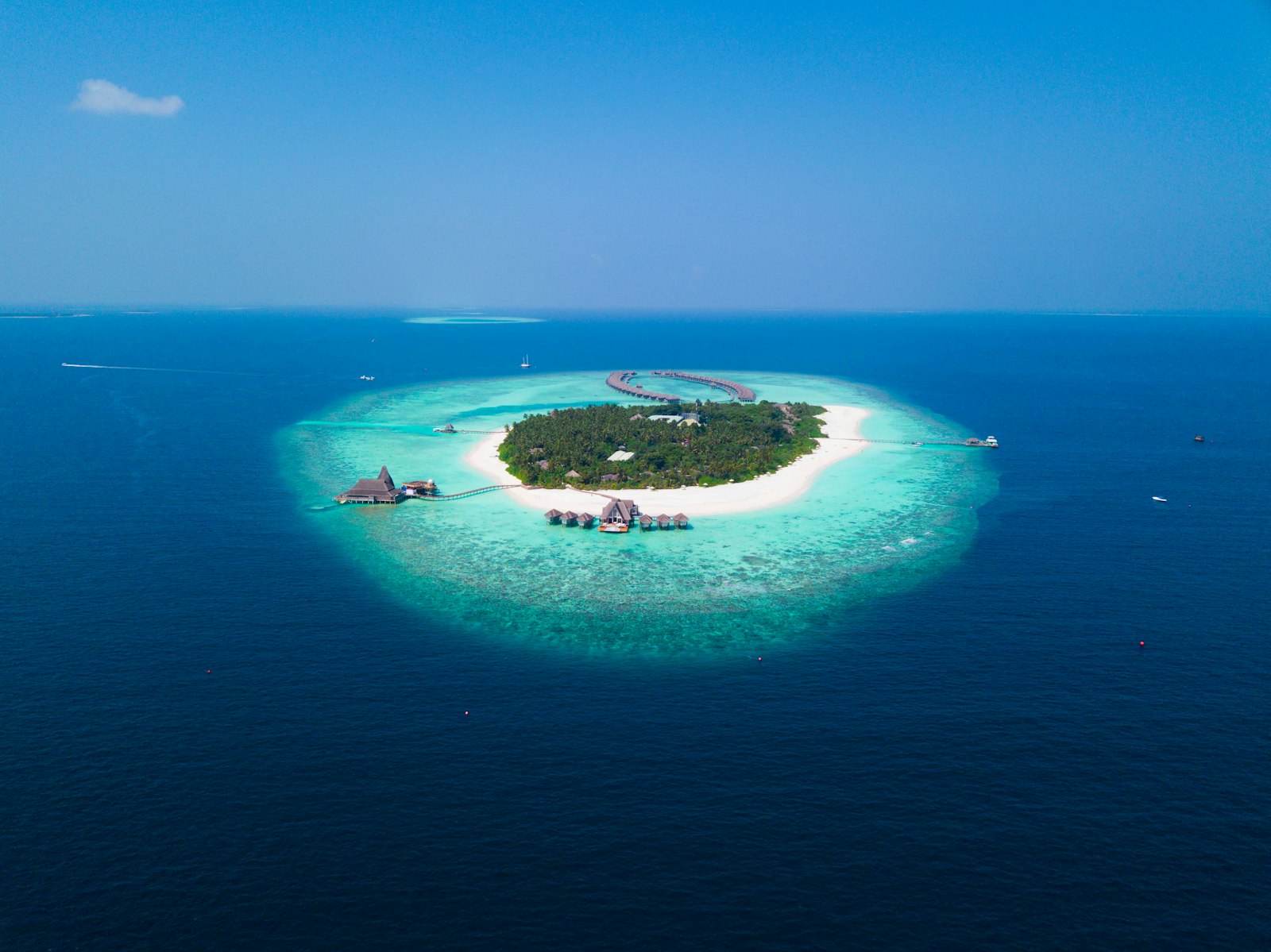
September is one of the very best months to be in Fiji — deep in the dry season, when the humidity drops, the trade winds pick up, the sky is reliably blue, and the sea is calm and clear for snorkelling the Mamanucas and the Yasawas. The wardrobe question changes with it: out go the damp-weather layers of the wet season, in come the airy linens, the reef-safe sun protection, and a single light layer for the cooler evenings and dawn decks that the trade winds make surprisingly fresh. This guide breaks down exactly what to wear in Fiji in September, with a full packing list, outfit ideas for every kind of day, the modesty rules for village visits, and everything you need to book flights, hotels, car rentals, eSIMs, bikes, and Fiji tours.
September Weather in Fiji
September falls squarely in Fiji's cool dry season, which runs from May to October. Daytime temperatures hover around 26-28°C on the coast, with low humidity and a steady south-easterly trade wind that keeps the air comfortable even at midday. Sea temperatures sit at a pleasant 25-26°C, perfect for long snorkel sessions without a wetsuit, and the visibility inside the lagoons is at its clearest after months without heavy rain.
Evenings and early mornings are noticeably cooler than in the wet season, often dropping to around 20°C with a fresh sea breeze that makes a light sweater welcome for sunset drinks and late dinners on the resort terrace. Rain is uncommon but not impossible, particularly in the highlands of Viti Levu and on the windward sides of the larger islands, so a packable rain shell that weighs next to nothing in your day bag is all the wet-weather gear most travellers need.
The sun remains intense despite the cooler air — you are close to the equator, and the rays reflect hard off white sand, lagoon water, and boat decks. Reef-safe sun protection is the single most important piece of your September wardrobe, more than any single garment.
The Complete September Packing List
This is the full September packing list — every item you need for beach days, boat trips, resort evenings, village visits, and the occasional inland waterfall hike, built around the trade winds and the bright equatorial sun.
Swimwear x 2-3
A couple of swimsuits so one is always dry. Board shorts and rash vests work well for snorkelling in the Mamanucas and Yasawas, where coral and sea lice can be a minor irritant.
Light, breathable daytime tops
Cotton or linen t-shirts, tanks, and a long-sleeved UPF shirt for boat days. The September trade winds keep humidity low but the sun is intense on the water.
Lightweight trousers or linen pants
One pair of linen trousers or light cotton chinos is ideal for dinners, village visits, and cooler evenings; Fiji resorts lean smart-casual in the evenings.
A light layer for cool evenings
September evenings and early mornings can be cooler than visitors expect — a light sweater, a cotton cardigan, or a thin denim jacket for balcony sundowners is worth the space.
Reef-safe sunscreen (SPF 50+)
Fiji marine reserves require biodegradable, reef-safe sunscreen. Bring a high SPF and reapply often; the equatorial sun is strong even in the cooler dry season.
Wide-brimmed hat & polarised sunglasses
A proper sun hat and polarised sunglasses are essentials — glare on the water and on white-sand beaches is intense in September.
Water shoes or reef walkers
Many of Fiji's best snorkel spots are reached over coral or rocky shelves, and sea urchins and fire coral are common; light water shoes save bare feet.
Flip-flops & comfortable walking sandals
Flip-flops for the beach and a comfortable sandal or light trainer for village walks, sunset hikes, and Coral Coast road trips.
Modest outfit for village visits
Modest dress is essential when visiting Fijian villages — cover shoulders and knees, and bring a sulu (sarong) to wrap over shorts; carry one readily.
Light rain shell
September is overwhelmingly dry, but a short tropical shower is always possible; a packable rain shell weighs nothing in your day bag.
Dry bag & waterproof phone case
A small dry bag keeps phones, kindles, and reef-safe sunscreen safe on boat trips, kayaks, and seaplane transfers to outer islands.
Insect repellent (DEET or picaridin)
Mosquitoes are far fewer in September's dry season than the wet, but dawn and dusk near mangroves still bite — pack a reef-safe repellent.
Outfit Ideas for Every Kind of September Day
Four outfit formulas cover almost every day you will spend in Fiji in September — from the resort pool to a village welcome ceremony. Each one leans on natural fibres, reef-safe sun protection, and the modesty Fijian culture expects away from the beach.
Beach & Boat Days
Swimsuit, rash vest or UPF long-sleeve, board shorts, flip-flops, polarised sunglasses, a wide-brimmed hat, and reef-safe SPF 50+. Add a dry bag for phone and camera and a light rain shell for sudden showers on the water.
Resort Evenings
Linen shirt or sundress, lightweight trousers or a knee-length skirt, comfortable sandals, and a light sweater or cardigan for the sea breeze. Smart-casual is the norm at Fiji resorts — no one expects you in a suit.
Village Visits & Cultural Tours
Modest clothing that covers shoulders and knees — a cotton t-shirt with knee-length shorts, or a midi dress, with closed sandals. Tuck a sulu (sarong) in your day bag to wrap over shorts if needed.
Hiking & Inland Adventures
Breathable activewear, a UPF long-sleeve shirt, light hiking shoes with grip for muddy forest trails, a sun hat, sunscreen, a refillable water bottle, and a small backpack. Pack a swimsuit — many inland waterfalls are safe for a swim.
Fiji in Pictures
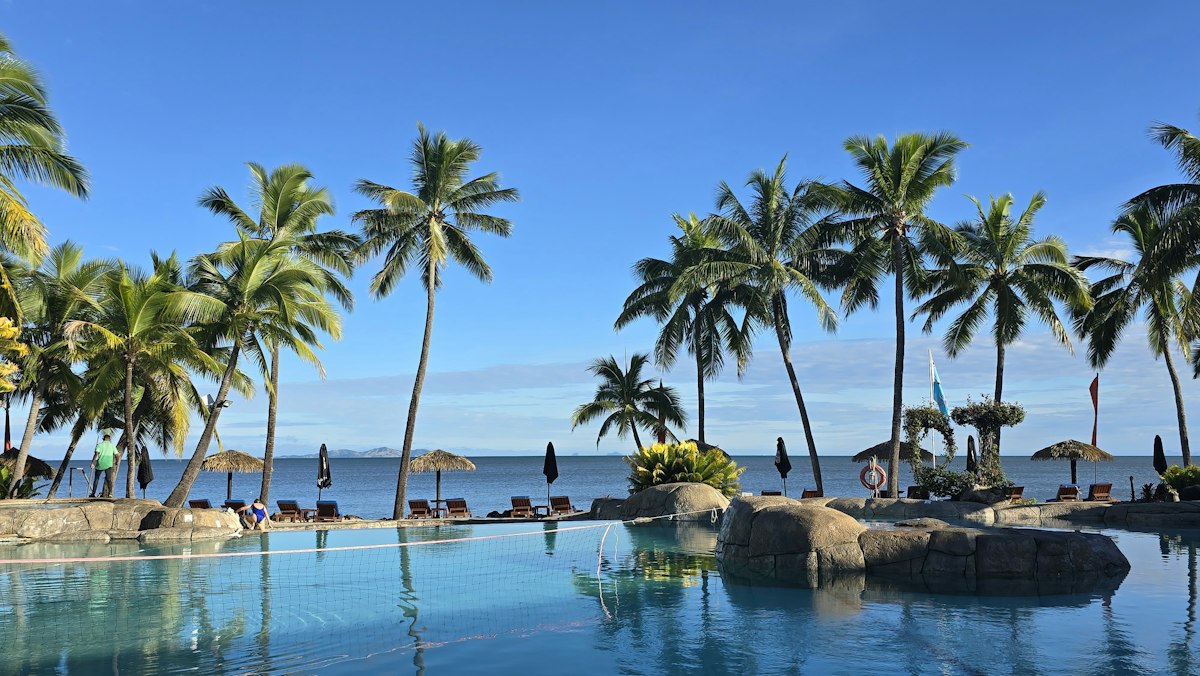
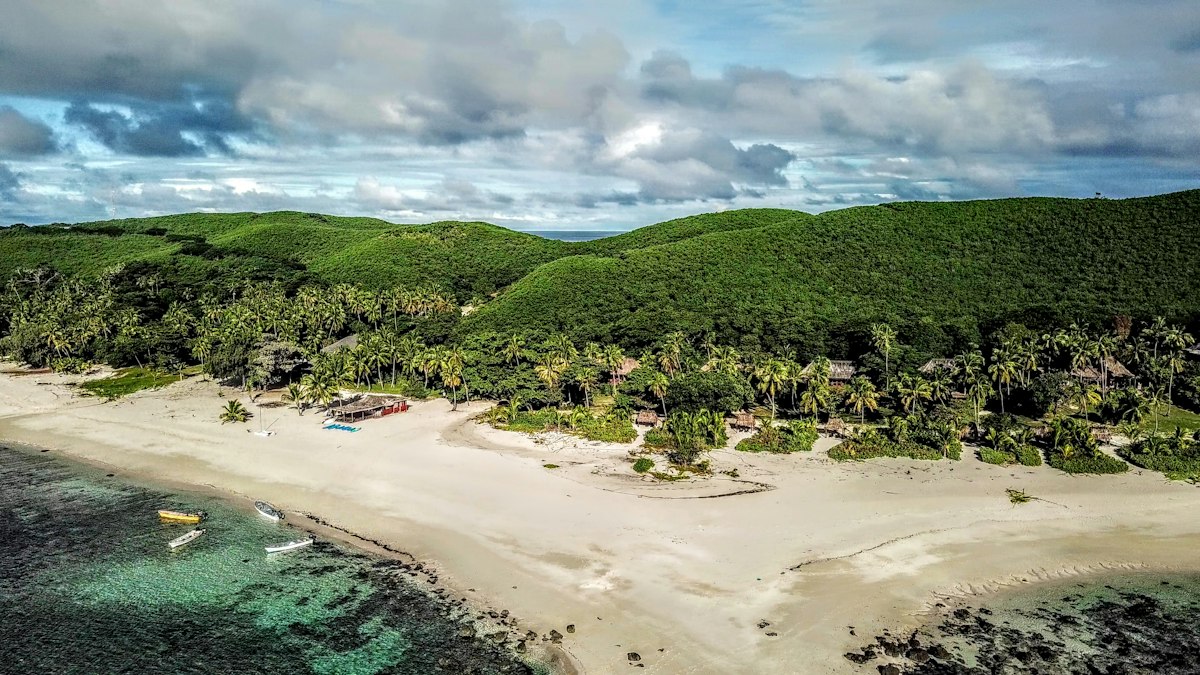
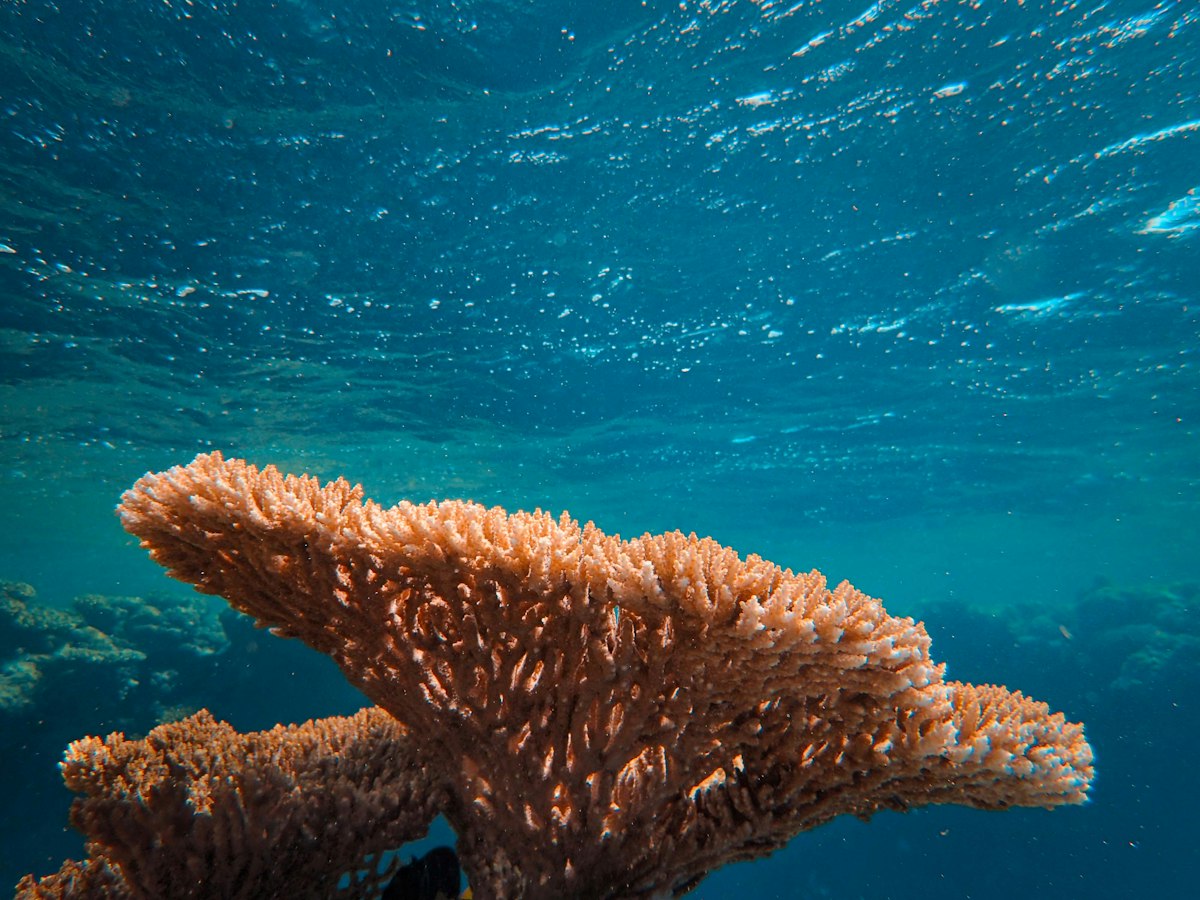
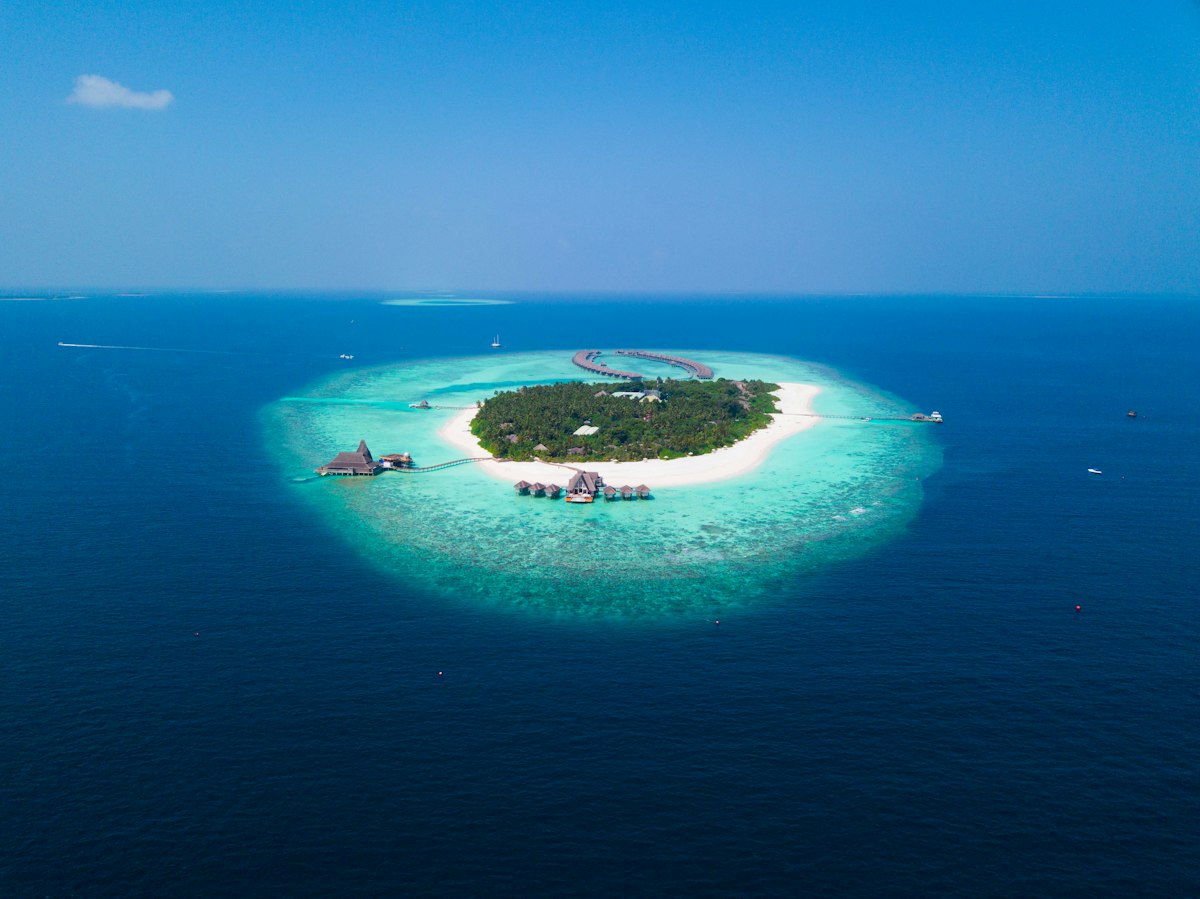
How the Trade Winds Shape What You Wear
The reason September feels so comfortable in Fiji is the south-easterly trade wind — a steady, cooling breeze that runs across the islands through the dry season. It drops the felt temperature by several degrees, dries sweat quickly, and makes light cotton and linen feel luxurious against the skin. It also means the windward sides of the islands (the south and east coasts of Viti Levu, the eastern Mamanucas) are breezier and cooler than the leeward sides, where the air can becalm at midday.
Pack with the trade wind in mind: a UPF long-sleeve shirt protects you on breezy boat decks without overheating, a light sweater takes the edge off a windy evening on the terrace, and a wide-brimmed hat with a chin strap will not blow into the lagoon on the way to a sandbar. A light layer is the secret ingredient of a comfortable September wardrobe — most travellers over-pack for heat and under-pack for the cool evenings the wind makes beautiful.
Smart Fiji Packing Tips
September weather
September is deep in Fiji's dry season: warm, sunny days around 26-28°C, cooler evenings near 20°C, low humidity, and the steady south-easterly trade winds that give the islands their comfortable climate.
Pack light, pack natural
Linen and cotton breathe beautifully in the trade winds and dry fast in the sun. Avoid heavy synthetics, which trap humidity against the skin even in the drier months.
Sun is the main risk
Even in cooler September weather, the equatorial sun is intense and reflects hard off water and sand. Apply reef-safe SPF 50+ every morning and again mid-afternoon.
Resort-casual after dark
Fiji resorts lean smart-casual in the evenings: linen, cotton, sundresses, and a light layer against the breeze. A button-up linen shirt and decent sandals are all you need.
Modesty matters
Fijian culture is modest. Pack a sulu (sarong) and use it to cover shoulders and knees whenever you leave resort grounds or enter a village, church, or school.
Buy a sulu locally
Sulus are cheap, beautiful, and available at any Nadi market. Buy two — one to wear over swimwear on village walks and one as a souvenir and beach cover-up.
Flights to Fiji for September
September sits in the shoulder part of the dry season, so flights are slightly easier and cheaper than the July-August peak while the weather remains at its best. Fiji Airways, Qantas, Virgin Australia, and Jetstar fly non-stop from Sydney, Melbourne, and Brisbane; Air New Zealand from Auckland, Wellington, and Christchurch; United and American Airlines from San Francisco and Los Angeles. Book six to eight weeks ahead for the best September fares.
Where to Stay in Fiji in September
The dry season is perfect for island resorts in the Mamanucas and Yasawas, the family-friendly Coral Coast, and the diving havens of Taveuni. September rates sit just below peak, so it is a great time to trade up to a higher-tier resort or a private overwater villa.
Book Fiji Resorts & HotelsGetting Around Fiji: Cars & Boats
A rental car is the easiest way to explore Viti Levu's Coral Coast, highlands, and Suva, while boat and seaplane transfers reach the island resorts. The dry roads and clear skies of September make it the best month for an island road trip — book your car online and skip the airport queues.
Stay Connected with a Fiji eSIM
A Fiji eSIM activates before you land in Nadi, so you step off the plane with maps, WhatsApp, and resort-transfer details ready — and a reliable signal across Viti Levu, the Mamanucas, and the Yasawas. Pair it with a dry bag for your phone on boat days.
Get a Fiji eSIMRent a Bike in Fiji
September's cooler, breezy mornings are perfect for cycling the Coral Coast road or the hills above Savusavu. Pack grippy shoes, reef-safe sunscreen, a sun hat with a chin strap, and a light layer — and book a bike online ahead of time.
Rent a BikeThings to Do in Fiji in September
September is a glorious month to be out on the water. Snorkel the coral gardens of the Mamanucas, sail the Yasawas on a schooner, dive the Rainbow Reef and the Great Astrolabe Reef in some of the clearest visibility of the year, surf Cloudbreak, kayak the Navua River, bathe in the Sabeto mud pools, and slow down for a kava ceremony and a lovo feast in a Fijian village. The diving, sailing, and beach days are world-class and easy to combine in a 7–10 day itinerary. Wear your UPF shirt, pack the reef-safe sunscreen, and book your tours below.
Fiji: Monuriki, Mana Sand Bar & Snorkelling Island Day CruiseFrequently Asked Questions
Is September a good time to visit Fiji?
Yes — September is one of the best months to visit Fiji. It sits squarely in the dry season, with warm sunny days around 26-28°C, low humidity, the dependable trade winds, and very little rain. The sea is clear and calm for diving and snorkelling, and resort rates are slightly lower than the July-August peak.
What clothes should I pack for Fiji in September?
Pack two or three swimsuits, breathable cotton or linen daywear in light colours, a long-sleeved UPF shirt for boat days, a light sweater or cardigan for cool evenings, one pair of linen trousers for dinners, reef-safe SPF 50+ sunscreen, a wide-brimmed hat, polarised sunglasses, water shoes, flip-flops, and a sulu (sarong) for village visits.
Is it cold in Fiji in September?
Not cold by any standard, but September evenings and early mornings are noticeably cooler than the wet season — often around 20°C, with a refreshing sea breeze. A light sweater, cardigan, or thin denim jacket is welcome for sunset drinks and late dinners on the resort terrace.
Do I need a wetsuit to snorkel in Fiji in September?
Sea temperatures in September sit around 25-26°C, warm enough for most snorkellers in a swimsuit or rash vest. Divers or anyone in the water for an hour or more may appreciate a shorty 3mm wetsuit; most resorts and dive operators rent them by the day.
What should I wear to a Fijian village in September?
Dress modestly — shoulders and knees covered. A t-shirt with knee-length shorts or a midi dress is perfect, and a sulu (sarong) worn over shorts is the local standard. Remove hats and sunglasses when entering a village and avoid passing anything over your head; a module of respect matters more than temperature.
Should I pack for rain in Fiji in September?
September is overwhelmingly dry, but a brief tropical shower is always possible, especially in the highlands of Viti Levu and on the windward sides of the islands. A packable rain shell that weighs almost nothing in your day bag is all the rainwear you need.
Final Tips for a September Fiji Trip
September is one of the easiest months to pack for in Fiji: light, breathable layers for warm, dry days; a single light sweater or cardigan for the trade-wind evenings; serious, reef-safe sun protection; modest dress for village visits; and a sulu in your day bag. Linen and cotton breathe and dry fast, a UPF long-sleeve shirt is worth its weight in gold on the water, and a wide-brimmed hat with a chin strap is the difference between a comfortable boat day and a sunburnt one. Pack light — tropical humidity and the trade winds reward a carry-on over a heavy case — and remember that a small dry bag keeps your phone, kindle, and reef-safe sunscreen safe on every boat trip.
With flights, hotels, a rental car or bike, an eSIM, and your island tours sorted in advance, all that is left is the warm dry-season welcome at Nadi, the cool trade-wind breeze on the resort terrace, and the steady rhythm of the South Pacific that makes September in Fiji one of the great beach-holiday windows of the year.
Plan Your September Fiji Trip Today
Compare live flights on every route to Fiji, book your resort, arrange a rental car or bike, set up your eSIM, and reserve the tours that will make your September South Pacific trip unforgettable — all in one place.