The Qantas direct flight from Melbourne to Tokyo Haneda is the most convenient way to fly from Victoria to Japan — about 10 hours on the Boeing 787-9 Dreamliner, with Qantas Points on every fare and a one-stop Oneworld option via Japan Airlines.Qantas flies direct from Melbourne Tullamarine (MEL) to Tokyo Haneda (HND) on the Boeing 787-9 Dreamliner, with a flight time of about 10 hours. The direct flight runs several times a week, subject to seasonal schedule changes, and Qantas Frequent Flyer members earn Qantas Points and Status Credits on every fare, including the cheapest Economy sale fares. The cheapest months to fly are the shoulder months of February to May and September to November, when the weather in Tokyo is mild and the fares are lower than the cherry blossom and autumn foliage peaks. The cheapest days to fly are Tuesday and Wednesday. The cheapest booking window is 8 to 12 weeks ahead. This guide walks through how to book a Qantas flight from Melbourne to Tokyo end to end — the direct route, the cabins, the fares, the Frequent Flyer points, the partner airline options — and then covers everything else you need to book the rest of your Tokyo trip: hotels, car rentals, eSIMs, bikes and Tokyo GetYourGuide tours.
The short version: search the whole-month view to find the cheapest day, set a price alert, and book 8 to 12 weeks ahead. If the direct Qantas fare is high, check the Japan Airlines codeshare (a Oneworld partner that still earns Qantas Points) or a one-stop flight via Sydney, Brisbane or Singapore. Qantas flies into Tokyo Haneda (HND), which is 30 minutes by monorail to central Tokyo and much closer to the city than Narita. For the broader guide to flying into Tokyo, see our Tokyo travel guide.
The Direct Qantas Melbourne to Tokyo Route
Qantas flies direct from Melbourne Tullamarine (MEL) to Tokyo Haneda (HND) on the Boeing 787-9 Dreamliner, with a flight time of about 10 hours. The direct flight is the most convenient option if you live in or near Melbourne, and it runs several times a week, subject to seasonal schedule changes. The 787-9 has Economy, Premium Economy and Business Suite cabins, with the Business Suite being a lie-flat bed with a mattress, pillow and duvet. The 787-9 has a lower cabin altitude and higher humidity than older aircraft, which helps with jet lag on the 10 hour flight. Every seat has in-flight entertainment, USB and AC power, and the Qantas app supports in-flight ordering in Business and Premium Economy. Qantas Frequent Flyer members earn Qantas Points and Status Credits on every fare, and can redeem points for a Classic Flight Reward to Tokyo — watch for reward seat releases 353 days ahead, when Qantas opens the calendar.
Qantas Melbourne to Tokyo — Key Facts
Direct flight time Melbourne to Tokyo
About 10 hours
Qantas direct route
Melbourne (MEL) to Tokyo Haneda (HND)
Aircraft
Boeing 787-9 Dreamliner
Direct frequency
Several times weekly (subject to season)
Cheapest months to fly
February to May & September to November
Cheapest days to fly
Tuesday & Wednesday
How far ahead to book
8 to 12 weeks for the cheapest fare buckets
Frequent Flyer earn
Qantas Points & Status Credits on every fare
Partner airline option
Japan Airlines (Oneworld partner) via codeshare
Qantas Cabins on the Melbourne to Tokyo Route
The cheapest Qantas fares are the Lite or Economy sale fares, which sometimes have a carry-on-only allowance — check the baggage allowance before you book, and add a bag at booking rather than at the airport. Premium Economy gives you extra recline, priority boarding and an enhanced meal service, and is often the best value for a 10 hour overnight flight. The Business Suite is a lie-flat bed with a full service, lounge access and fast track, and is one of the best Business products on the Melbourne-Tokyo route. First is available on selected Qantas international aircraft on other routes, not the 787-9 to Tokyo. Qantas Frequent Flyer members earn Qantas Points and Status Credits on every fare, with higher fares and higher tiers earning more.
When to Book a Qantas Flight to Tokyo
Feb–May
Cheapest shoulder months
8–12 wks
Ahead to book
Tue & Wed
Cheapest days to fly
The cheapest months to fly Qantas from Melbourne to Tokyo are the shoulder months of February to May and September to November, when the weather in Tokyo is mild and the fares are lower than the peak seasons. The most expensive months are late March to early April (the cherry blossom season) and November (the autumn foliage season), when demand peaks and fares climb sharply. The summer months of June to August are also relatively cheap, but Tokyo is hot and humid, so the trade-off is the weather. The shoulder months are the sweet spot: reasonable weather, lower fares, and fewer crowds at the major sights. The cheapest days to fly internationally are Tuesday and Wednesday, while Saturday is often the most expensive. Book 8 to 12 weeks ahead for the cheapest fare buckets, in the window where the Qantas Lite or Economy sale fares are usually still open. Set a price alert on the Melbourne-Tokyo route 3 to 4 months ahead and watch the fare trend — when it drops into your target range, book it.
Haneda or Narita?
Tokyo Haneda (HND)
30 min by Tokyo Monorail to Hamamatsucho in central Tokyo. The airport Qantas uses for the direct Melbourne flight. Closer to the city and the better choice if the fare is similar.
Tokyo Narita (NRT)
60 to 90 min by Narita Express or Keisei Skyliner to central Tokyo. Used by some partner and one-stop flights. Sometimes cheaper, but the transfer is longer and costs more.
Qantas flies into Tokyo Haneda (HND), which is 30 minutes by Tokyo Monorail to Hamamatsucho station in central Tokyo, and about 20 minutes by taxi to the Ginza and Shinbashi areas. Haneda is much closer to the city than Narita (NRT), which is 60 to 90 minutes by train or taxi. Haneda also has a domestic terminal with connections to Sapporo, Osaka, Fukuoka, Naha and most other Japanese cities, so if you are flying onward within Japan, Haneda is the more convenient airport. Some Qantas partner flights and one-stop routings may use Narita, so check the airport on your ticket before you book. If a Narita fare is much cheaper than the Haneda fare, factor in the extra transfer time and cost — the Narita Express is around JPY 3,000 to central Tokyo, while the Tokyo Monorail from Haneda is around JPY 500.
Tips for Booking Qantas Flights to Tokyo
- Qantas flies direct from Melbourne Tullamarine (MEL) to Tokyo Haneda (HND) on the Boeing 787-9 Dreamliner, with a flight time of about 10 hours — the most convenient option if you live in or near Melbourne
- The cheapest months to fly Qantas from Melbourne to Tokyo are the shoulder months of February to May and September to November, when the weather in Tokyo is mild and the fares are lower than the cherry blossom and autumn-foliage peaks
- The cheapest days to fly internationally are Tuesday and Wednesday, while Saturday is often the most expensive — shift your departure by a day or two to save on the Qantas fare
- Book 8 to 12 weeks ahead for the cheapest fare buckets, in the window where the Qantas Lite or Economy sale fares are usually still open — earlier and the cheaper buckets have not been released, later and they have sold out
- Qantas Frequent Flyer members earn Qantas Points and Status Credits on every Qantas flight from Melbourne to Tokyo, and can redeem points for reward seats — check the Classic Flight Reward availability on the Qantas website before you pay cash
- Japan Airlines (JAL) is a Oneworld partner of Qantas and codeshares on the Melbourne-Tokyo route, so you can book a JAL-operated flight through a Qantas ticket and still earn Qantas Points and Status Credits
- Qantas flies into Tokyo Haneda (HND), which is 30 minutes by monorail to central Tokyo and much closer to the city than Narita (NRT) — Haneda is the better choice if the fare is similar
- Use the Qantas Flex date tool or a flight search engine with a whole-month view to find the cheapest day to fly, then set a price alert and book the moment the fare hits your target
- A one-stop flight via Sydney, Brisbane or Singapore is sometimes cheaper than the direct Qantas flight from Melbourne, especially in the peak cherry blossom season of late March to early April
- If you have Qantas Points, a Classic Flight Reward to Tokyo can be one of the best redemptions — watch for reward seat releases 353 days ahead, when Qantas opens the calendar
- Check the baggage allowance on the Qantas fare before you book — the cheapest Economy fares sometimes have a carry-on-only allowance, and adding a bag at booking is cheaper than at the airport
- Add a Qantas Travel Money card or a Japan eSIM before you fly, so you have yen, data and maps the moment you land at Haneda — no airport queues and no roaming charges
Tokyo in Pictures
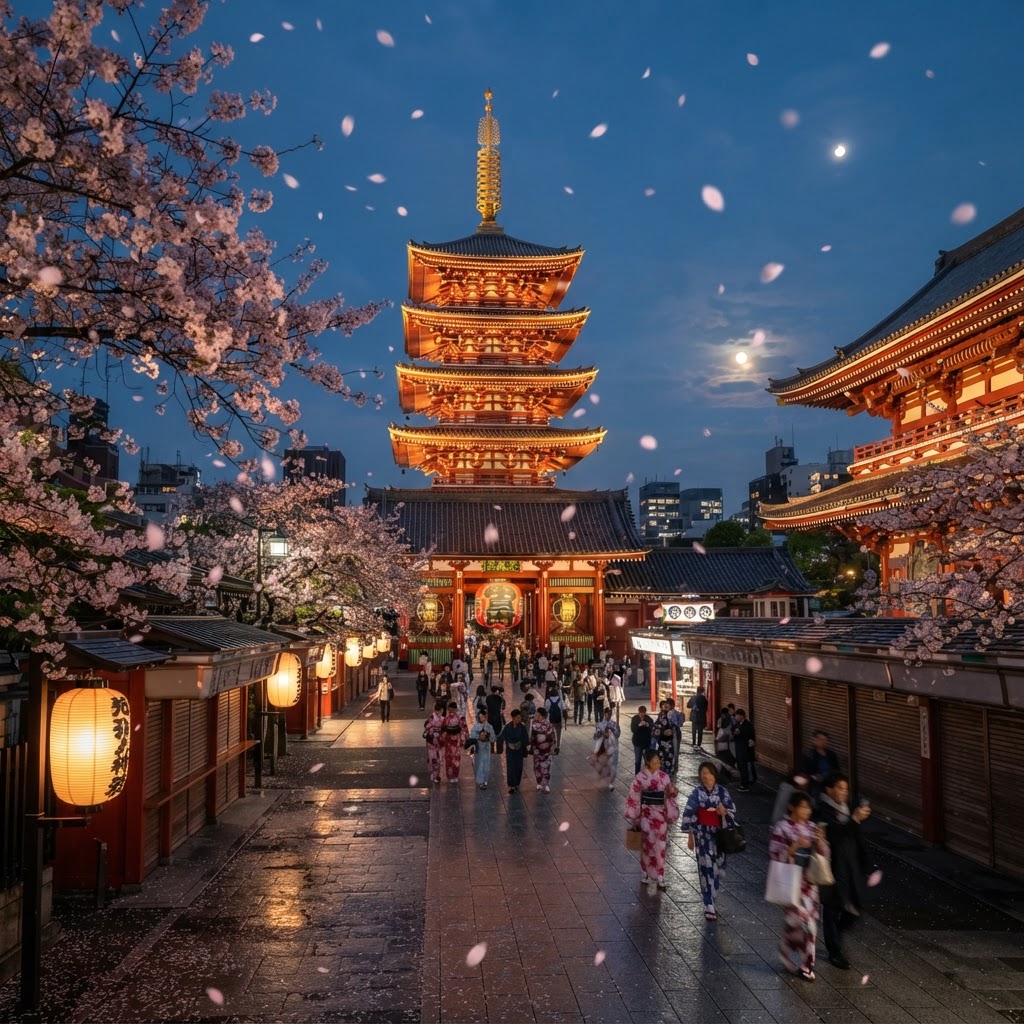
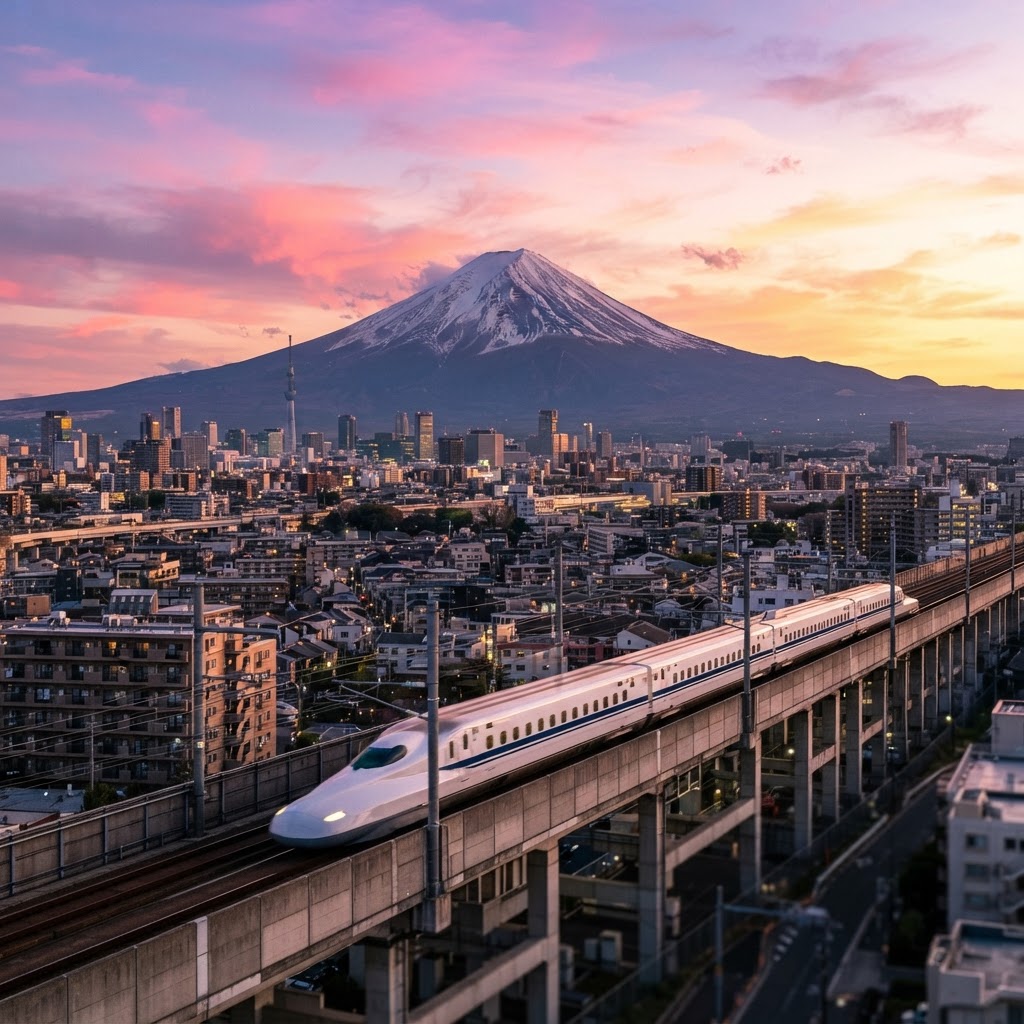
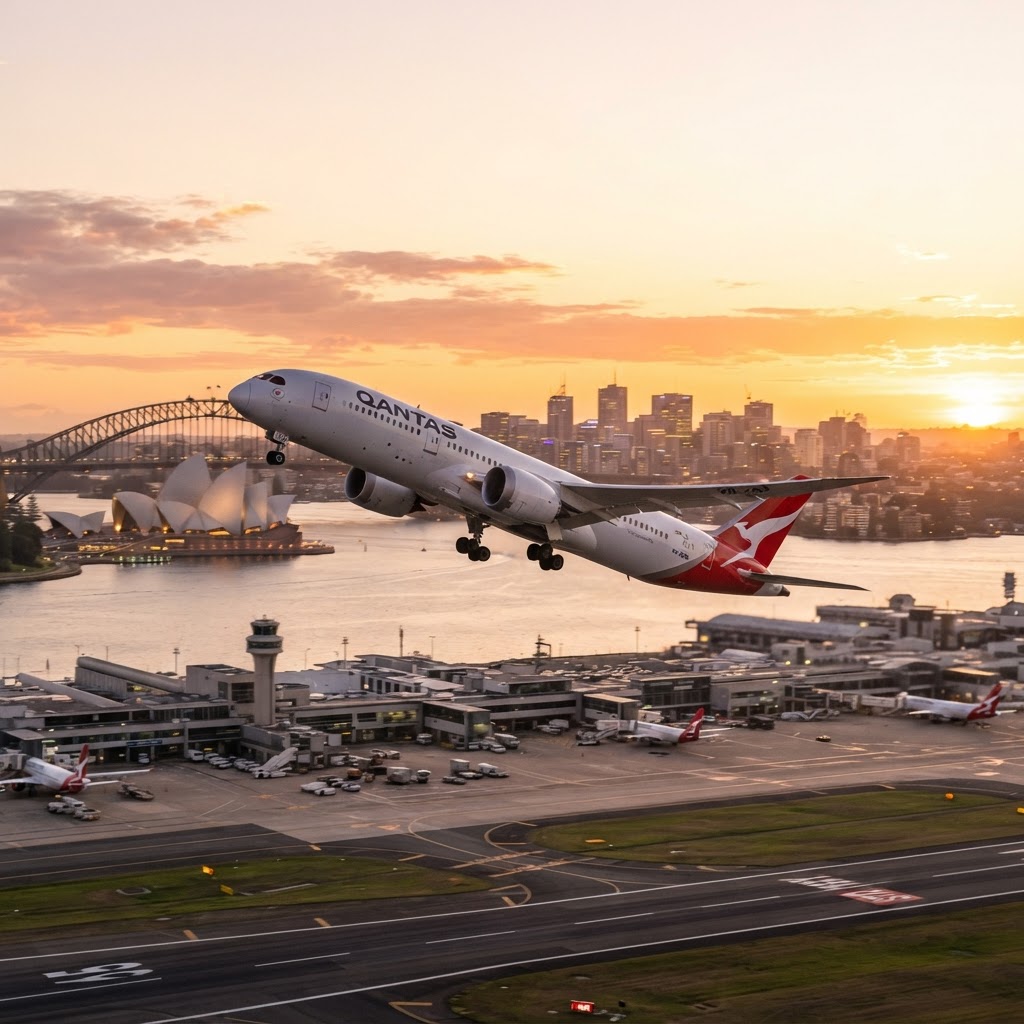
A preview of where your Qantas flight lands — the Tokyo skyline at sunset, Shibuya Crossing at night, Senso-ji Temple at dusk, Mount Fuji and a Shinkansen bullet train, a traditional Tokyo food alley at night, and the Qantas Dreamliner taking off at sunrise.



Tokyo Flights
Search live Qantas, Japan Airlines and partner fares into Tokyo Haneda and Narita, with real-time availability on every departure. Compare direct and one-stop options.
Tokyo Hotels
Book a hotel in Shinjuku, Shibuya, Ginza or Asakusa — from the Park Hyatt Tokyo to budget business hotels, with the best locations for the bullet train, the metro and the sights.
Book Tokyo HotelsTokyo Car Rentals
Book a car in Tokyo — the easiest way to explore Mount Fuji, Hakone, the Nikko shrines and the Izu coast, with pick-up at Haneda, Narita or in the city. Note that Japan drives on the left.
Japan eSIM
Install a Japan eSIM before you fly so you have data, maps and messaging the moment you land at Haneda — no airport SIM queue and no roaming charges on the way to the city. Coverage is excellent on 5G across Japan.
Get a Japan eSIMRent a Bike in Tokyo
See Tokyo the active way — ride the Imperial Palace loop, the Sumida River path to Asakusa, or the Yoyogi Park trails. Book a road, city or mountain bike online ahead of time, and rent a lock — bike theft is rare but not unknown.
Rent a Bike in TokyoTokyo Tours & Experiences
Once you land at Tokyo Haneda, the city opens up. See the Senso-ji Temple at Asakusa, cross Shibuya Crossing, watch the tuna auction at Toyosu, take a day trip to Mount Fuji and Hakone, ride a Shinkansen to Kyoto, eat your way through Tsukiji and Shinjuku, and soak in an onsen. Browse and book top-rated Tokyo experiences below, all with free cancellation.
Frequently Asked Questions
Does Qantas fly direct from Melbourne to Tokyo?
Yes, Qantas flies direct from Melbourne Tullamarine (MEL) to Tokyo Haneda (HND) on the Boeing 787-9 Dreamliner, with a flight time of about 10 hours. The direct flight is the most convenient option if you live in or near Melbourne, and it runs several times a week, subject to seasonal schedule changes. Qantas also codeshares with Japan Airlines (JAL), its Oneworld partner, so you can book a JAL-operated flight through a Qantas ticket and still earn Qantas Points and Status Credits. A one-stop flight via Sydney, Brisbane or Singapore is sometimes cheaper than the direct Qantas flight, especially in the peak cherry blossom season of late March to early April, so if the direct fare is high, check the one-stop options. Qantas flies into Tokyo Haneda (HND), which is 30 minutes by monorail to central Tokyo and much closer to the city than Narita (NRT).
How long is the Qantas flight from Melbourne to Tokyo?
The Qantas direct flight from Melbourne (MEL) to Tokyo Haneda (HND) is about 10 hours, on the Boeing 787-9 Dreamliner. The flight time can vary by 30 to 45 minutes depending on the jet stream, the time of year and the routing — eastbound flights into Tokyo can pick up a tailwind over the Pacific, while westbound flights from Tokyo to Melbourne sometimes face a headwind. The direct flight is overnight in both directions, so you arrive in Tokyo in the late afternoon or evening and arrive back in Melbourne in the morning. A one-stop flight via Sydney, Brisbane or Singapore adds 2 to 4 hours to the total travel time, depending on the layover. Use a flight search engine with a whole-month view to compare the direct Qantas flight with the one-stop options, and book the one that fits your budget and your schedule.
What is the cheapest month to fly Qantas from Melbourne to Tokyo?
The cheapest months to fly Qantas from Melbourne to Tokyo are the shoulder months of February to May and September to November, when the weather in Tokyo is mild and the fares are lower than the peak seasons. The most expensive months are late March to early April (the cherry blossom season) and November (the autumn foliage season), when demand peaks and fares climb sharply. The summer months of June to August are also relatively cheap, but Tokyo is hot and humid, so the trade-off is the weather. The cheapest days to fly internationally are Tuesday and Wednesday, while Saturday is often the most expensive. Book 8 to 12 weeks ahead for the cheapest fare buckets, in the window where the Qantas Lite or Economy sale fares are usually still open. Set a price alert on the Melbourne-Tokyo route 3 to 4 months ahead and watch the fare trend — when it drops into your target range, book it.
How much is a Qantas flight from Melbourne to Tokyo?
A Qantas Economy return from Melbourne to Tokyo usually starts from around AUD 950 in the shoulder months, rising to AUD 1,500 to AUD 2,100 in the peak cherry blossom and autumn foliage seasons. Premium Economy starts from around AUD 2,300 return, Business Suite from around AUD 5,800 return, and First is available on selected Qantas international aircraft. The cheapest fares are the Lite or Economy sale fares, which sometimes have a carry-on-only allowance — check the baggage allowance before you book, and add a bag at booking rather than at the airport. A one-stop flight via Sydney, Brisbane or Singapore is sometimes cheaper than the direct Qantas flight, especially in the peak season, so if the direct fare is high, check the one-stop options. Use the Qantas Flex date tool or a flight search engine with a whole-month view to find the cheapest day to fly.
Do Qantas Frequent Flyers earn points on the Melbourne to Tokyo flight?
Yes, Qantas Frequent Flyer members earn Qantas Points and Status Credits on every Qantas flight from Melbourne to Tokyo, including the cheapest Economy sale fares. The number of points you earn depends on the fare class and your Frequent Flyer tier, with higher fares and higher tiers earning more. You can also redeem Qantas Points for a Classic Flight Reward to Tokyo, which can be one of the best redemptions in the Qantas program — watch for reward seat releases 353 days ahead, when Qantas opens the calendar, and book early because the reward seats on the Melbourne-Tokyo route sell out fast in the peak season. If you book a Japan Airlines (JAL) codeshare flight through a Qantas ticket, you still earn Qantas Points and Status Credits, and you can also redeem Qantas Points for a reward seat on a JAL-operated flight. Link your Frequent Flyer number to your booking before you fly, so the points credit automatically.
Which Tokyo airport does Qantas fly into from Melbourne?
Qantas flies into Tokyo Haneda (HND), which is also known as Tokyo International Airport. Haneda is 30 minutes by Tokyo Monorail to Hamamatsucho station in central Tokyo, and about 20 minutes by taxi to the Ginza and Shinbashi areas, making it much closer to the city than Narita (NRT), which is 60 to 90 minutes by train or taxi. Haneda has the Tokyo Monorail and the Keikyu Line into the city, both of which are covered by the Japan Rail Pass for some segments and by the Suica or Pasmo IC card for all segments. Haneda also has a domestic terminal with connections to Sapporo, Osaka, Fukuoka, Naha and most other Japanese cities, so if you are flying onward within Japan, Haneda is the more convenient airport. Some Qantas partner flights and one-stop routings may use Narita, so check the airport on your ticket before you book.
Can I use a Oneworld partner airline for the Melbourne to Tokyo route?
Yes. Qantas is a member of the Oneworld alliance, and Japan Airlines (JAL) is both a Oneworld partner and a codeshare partner of Qantas on the Melbourne-Tokyo route. You can book a JAL-operated flight through a Qantas ticket and still earn Qantas Points and Status Credits, use the Qantas lounge if your fare or status permits, and redeem Qantas Points for a reward seat on a JAL-operated flight. Other Oneworld partners that fly to Tokyo include Cathay Pacific (via Hong Kong), Malaysia Airlines (via Kuala Lumpur) and Qatar Airways (via Doha), all of which can be booked with Qantas Points and earn Qantas Points and Status Credits. If the direct Qantas flight is full or expensive, check the JAL codeshare and the one-stop Oneworld options — they are sometimes cheaper and they still earn Qantas Points.
What aircraft does Qantas use on the Melbourne to Tokyo route?
Qantas uses the Boeing 787-9 Dreamliner on the direct Melbourne to Tokyo Haneda route. The 787-9 has Economy, Premium Economy and Business Suite cabins, with the Business Suite being a lie-flat bed with a mattress, pillow and duvet. The 787-9 has a lower cabin altitude and higher humidity than older aircraft, which helps with jet lag on the 10 hour flight. The aircraft has in-flight entertainment screens at every seat, USB and AC power outlets, and the Qantas app for in-flight ordering in Business and Premium Economy. The 787-9 does not have a First cabin — First is available on selected Qantas international aircraft on other routes. If you book a JAL codeshare flight, the aircraft may be a JAL Boeing 787-8 or 777, depending on the schedule, with a similar cabin layout and full service.
Book Your Qantas Tokyo Trip
Booking a Qantas flight from Melbourne to Tokyo is the first step — use the whole-month view, set a price alert, and book 8 to 12 weeks ahead. Once you know your Tokyo dates, the rest is one batch of bookings: the flight into Haneda, a hotel in Shinjuku or Ginza, a Tokyo car rental, a Japan eSIM and any Tokyo tours you want to lock in ahead. Start below.