The Qantas Sydney to Tokyo flight price follows a predictable cycle of fare buckets, seasonal demand and airline sales, and the travellers who pay the least are the ones who understand the cycle and book inside the right window.A Qantas Economy return from Sydney to Tokyo usually starts from around AUD 900 in the shoulder months and climbs to AUD 1,500 to AUD 2,000 in the peak cherry blossom and autumn foliage seasons. Premium Economy starts from around AUD 2,200 return, and the Business Suite starts from around AUD 5,500 return. The cheapest Qantas Sydney to Tokyo flight price lands in the shoulder months of February to May and September to November. The cheapest days to fly are Tuesday and Wednesday. The cheapest booking window is 8 to 12 weeks ahead. A one-stop flight via Brisbane, Melbourne or Singapore is sometimes cheaper than the direct flight, and a Japan Airlines codeshare can sometimes beat the Qantas-operated fare. This guide walks through the Qantas Sydney to Tokyo flight price end to end — the price by month, the price by cabin, the booking window, the points redemptions, the price alerts — and then covers everything else you need to book the rest of your Tokyo trip: hotels, car rentals, eSIMs, bikes and Tokyo GetYourGuide tours.
The short version: search the whole-month view to find the cheapest day, set a price alert 3 to 4 months ahead, and book 8 to 12 weeks ahead when the fare hits your target. If the direct Qantas flight price is high, check the Japan Airlines codeshare (a Oneworld partner that still earns Qantas Points) or a one-stop flight via Brisbane, Melbourne or Singapore. For the broader guide to the route, see our Qantas flights to Tokyo from Sydney guide.
How the Qantas Sydney to Tokyo Flight Price Is Set
Qantas does not sell every seat on the Sydney to Tokyo flight at a single price. It opens a dozen or more fare buckets, from the cheapest Lite or Economy sale fare (a handful of seats per flight, sold first) to the most expensive fully flexible Business fare (sold last, to late-booking corporate travellers). The cheapest buckets sell out first, so the Qantas flight price you see rises in steps as the flight fills up. The trick to landing a low price is to book in the window when the cheapest buckets are still open — usually 8 to 12 weeks ahead for a long-haul flight to Tokyo. Earlier than that, and the cheapest buckets have not been released by Qantas revenue management. Later than that, and the cheapest buckets have sold out. The price also follows a seasonal cycle: the shoulder months of February to May and September to November are the cheapest, the cherry blossom season of late March to early April and the autumn foliage season of November are the most expensive, and the summer months of June to August are cheap but hot. Add the day-of-week cycle — Tuesday and Wednesday are the cheapest days to fly, Friday and Saturday the most expensive — and you have a full picture of when the Qantas Sydney to Tokyo flight price drops. Qantas flies the direct Sydney to Tokyo route daily on the Boeing 787-9 Dreamliner into Haneda (HND), which is the most convenient Tokyo airport, and the daily frequency is a key reason the Sydney route is often the cheapest of the Australian gateways to Tokyo.
Qantas Sydney to Tokyo Flight Price — Key Facts
Economy return price (shoulder months)
From around AUD 900 return
Economy return price (peak season)
AUD 1,500 to AUD 2,000
Premium Economy return price
From around AUD 2,200 return
Business Suite return price
From around AUD 5,500 return
Cheapest months for the flight price
February to May & September to November
Most expensive months for the flight price
Late March to early April (cherry blossom)
Cheapest days to fly
Tuesday & Wednesday
Best booking window for the lowest price
8 to 12 weeks ahead
Reward seat price (points)
Qantas Classic Flight Reward availability 353 days ahead
Qantas Sydney to Tokyo Flight Price by Month
The Qantas Sydney to Tokyo flight price is lowest in the shoulder months of February to May and September to November, when the weather in Tokyo is mild and the demand is lower than the peak seasons. October is often the single cheapest month of the year, followed by February and early March. The most expensive months are late March to early April (the cherry blossom season) and late November (the autumn foliage season), when demand peaks and the cheap buckets sell out first. December is expensive for Christmas and New Year, and January is high then drops mid-month. The summer months of June to August are relatively cheap, but Tokyo is hot and humid. The cheapest days to fly are Tuesday and Wednesday, while Friday and Saturday are the most expensive. Book 8 to 12 weeks ahead for the cheapest fare buckets, and set a price alert 3 to 4 months ahead to catch the Qantas flight price the moment it drops into your target range. Because the Sydney-Tokyo route is Qantas's flagship Australia-Japan service with a daily direct flight, the cheapest buckets sometimes last a little longer here than on the Melbourne route — but they still sell out fast in the peak season, so do not wait.
Qantas Flight Price by Cabin
The cheapest Qantas Sydney to Tokyo flight price is the Lite or Economy sale fare, which sometimes has a carry-on-only allowance, so check the baggage rules before you book and add a bag at booking rather than at the airport. The standard Economy fare includes one checked bag, seat selection and some changes, and is often the sweet spot for a leisure traveller. Premium Economy gives you extra recline, priority boarding and an enhanced meal service, and is often the best value for the 9 to 10 hour overnight flight. The Business Suite is a lie-flat bed with full service, lounge access and fast track — watch for business class sales in the shoulder months, when the Business price can drop to within reach of a premium leisure budget. Qantas Frequent Flyer members earn Qantas Points and Status Credits on every fare, and can redeem points for a Classic Flight Reward to Tokyo or use points to upgrade a paid Economy fare to Premium Economy or Business.
The Booking Window for the Lowest Price
Feb–May
Cheapest shoulder months
8–12 wks
Ahead to book
Tue & Wed
Cheapest days to fly
The cheapest Qantas Sydney to Tokyo flight price lands when you book 8 to 12 weeks ahead, in the window where the Lite and Economy sale fares are usually still open. Earlier than that, and the cheapest buckets have usually not been released by Qantas revenue management. Later than that, and the cheapest buckets have usually sold out, especially in the peak cherry blossom and autumn foliage seasons. For a long-haul flight to Tokyo, the booking window is a little longer than for a short-haul flight — about 2 to 3 months ahead is the sweet spot. If you are travelling in the peak season, book as soon as you see a reasonable fare, because the cheap buckets sell out fast and the Qantas flight price only rises as the departure date approaches. Set a price alert on the Sydney-Tokyo route 3 to 4 months ahead and watch the fare trend — when it drops into your target range, book it, because the cheapest fare buckets sell out fast in every sale.
Haneda or Narita for the Lowest Price?
Tokyo Haneda (HND)
30 min by Tokyo Monorail to central Tokyo. The airport Qantas uses for the direct Sydney flight. Closer to the city and the better choice if the fare is similar.
Tokyo Narita (NRT)
60 to 90 min by Narita Express or Keisei Skyliner to central Tokyo. Used by some partner and one-stop flights. Sometimes cheaper, but the transfer is longer and costs more.
Qantas flies the direct Sydney to Tokyo flight into Tokyo Haneda (HND), which is 30 minutes by Tokyo Monorail to central Tokyo and much closer to the city than Narita (NRT), which is 60 to 90 minutes by train or taxi. The direct Qantas flight into Haneda is usually the most convenient option, but the Qantas Sydney to Tokyo flight price into Haneda is sometimes higher than a partner or one-stop flight into Narita. A cheaper Narita fare can be wiped out by the transfer cost (around JPY 3,000 to central Tokyo on the Narita Express, versus around JPY 500 on the Tokyo Monorail from Haneda) and the extra travel time, so factor both into the total cost. If the Haneda fare is only a little more than the Narita fare, Haneda is the better choice for the time you save. If the Narita fare is much cheaper and you do not mind the transfer, Narita is a real deal.
Tips for the Lowest Qantas Sydney to Tokyo Flight Price
- The cheapest Qantas Sydney to Tokyo flight price lands in the shoulder months of February to May and September to November, when demand is lower and the sale fares are still open
- The most expensive flight price is in late March to early April for the cherry blossom season and in late November for the autumn foliage, when demand peaks and the cheap buckets sell out first
- The cheapest days to fly are Tuesday and Wednesday, while Friday and Saturday are the most expensive — a one or two day shift in your departure can move the flight price by 15 to 25 percent
- Book 8 to 12 weeks ahead for the lowest Qantas flight price, in the window where the Lite and Economy sale fares are usually still open — earlier and they have not been released, later and they have sold out
- Set a price alert on the Sydney to Tokyo route 3 to 4 months ahead and watch the fare trend — when the Qantas flight price drops into your target range, book it, because the cheapest buckets sell out fast in every sale
- Qantas runs fare sales around Black Friday, the New Year period, and the big Australia-Japan sales in January and August — sign up to the Qantas newsletter and a fare-alert tool so you hear about them first
- A one-stop flight via Brisbane, Melbourne or Singapore is sometimes cheaper than the direct Qantas flight from Sydney, especially in the peak cherry blossom season — weigh the saving against the extra 2 to 4 hours of travel time
- Japan Airlines (JAL) is a Oneworld partner of Qantas and codeshares on the Sydney-Tokyo route, so a JAL-operated flight through a Qantas ticket can sometimes land a lower price and still earn Qantas Points
- If you have Qantas Points, a Classic Flight Reward to Tokyo can be one of the best-value redemptions — watch for reward seat releases 353 days ahead, when Qantas opens the calendar, and book early because peak seats sell out fast
- Compare the Qantas flight price at both Tokyo airports — Haneda (HND) is the direct Qantas arrival airport, but a partner or one-stop flight into Narita (NRT) can sometimes be cheaper, though the transfer costs more
- Check the baggage allowance on the Qantas fare before you book — the cheapest Economy fares sometimes have a carry-on-only allowance, and adding a bag at booking is cheaper than at the airport
- Pay for your ticket in Australian dollars through the Qantas Australia website to dodge dynamic currency conversion fees, and track the fare in AUD so you are not caught out by exchange rate swings
Tokyo in Pictures
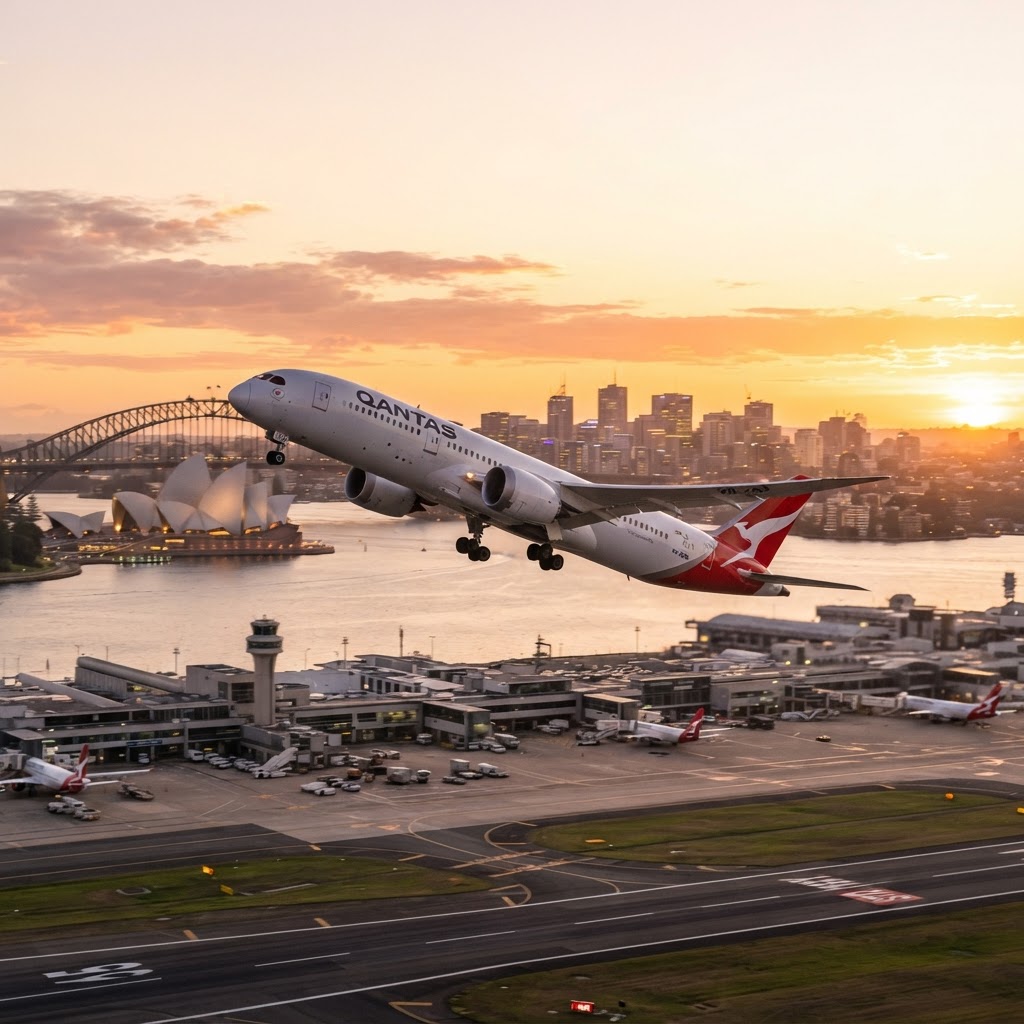
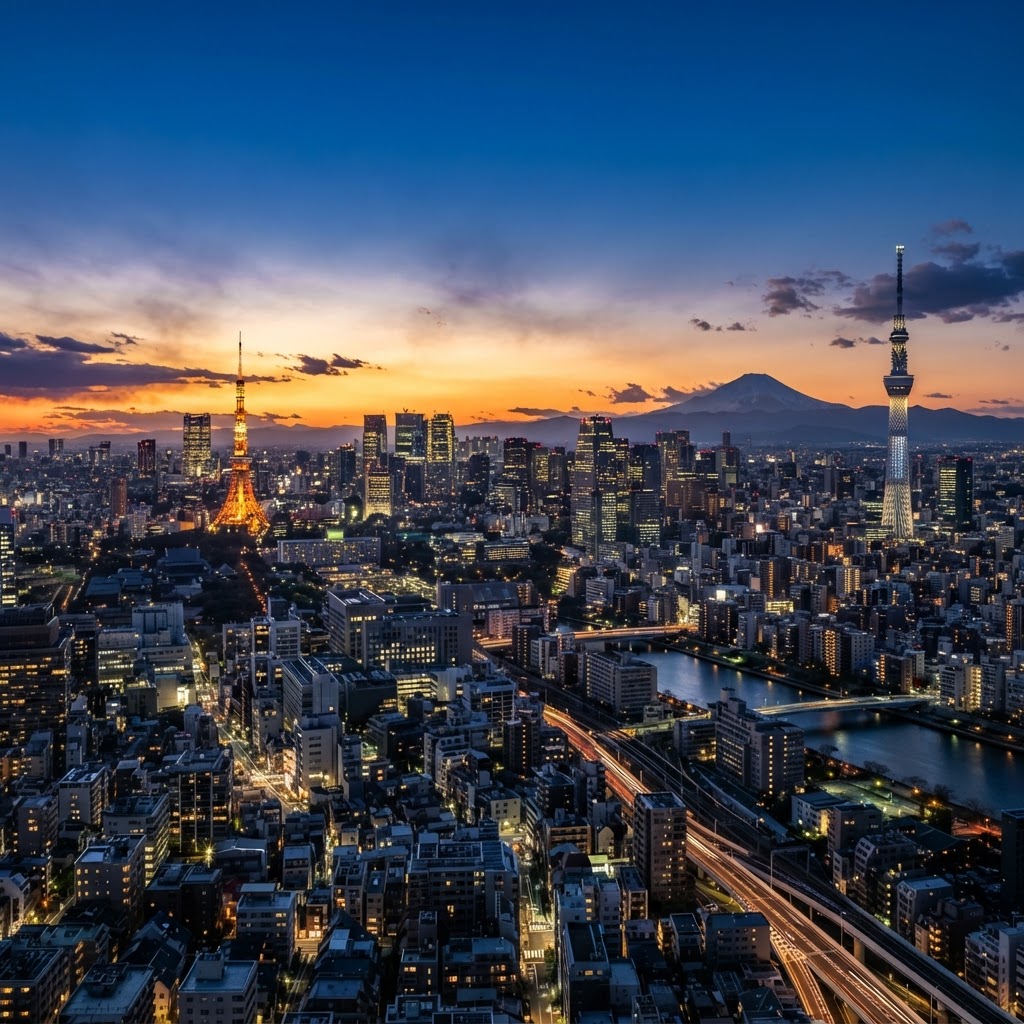
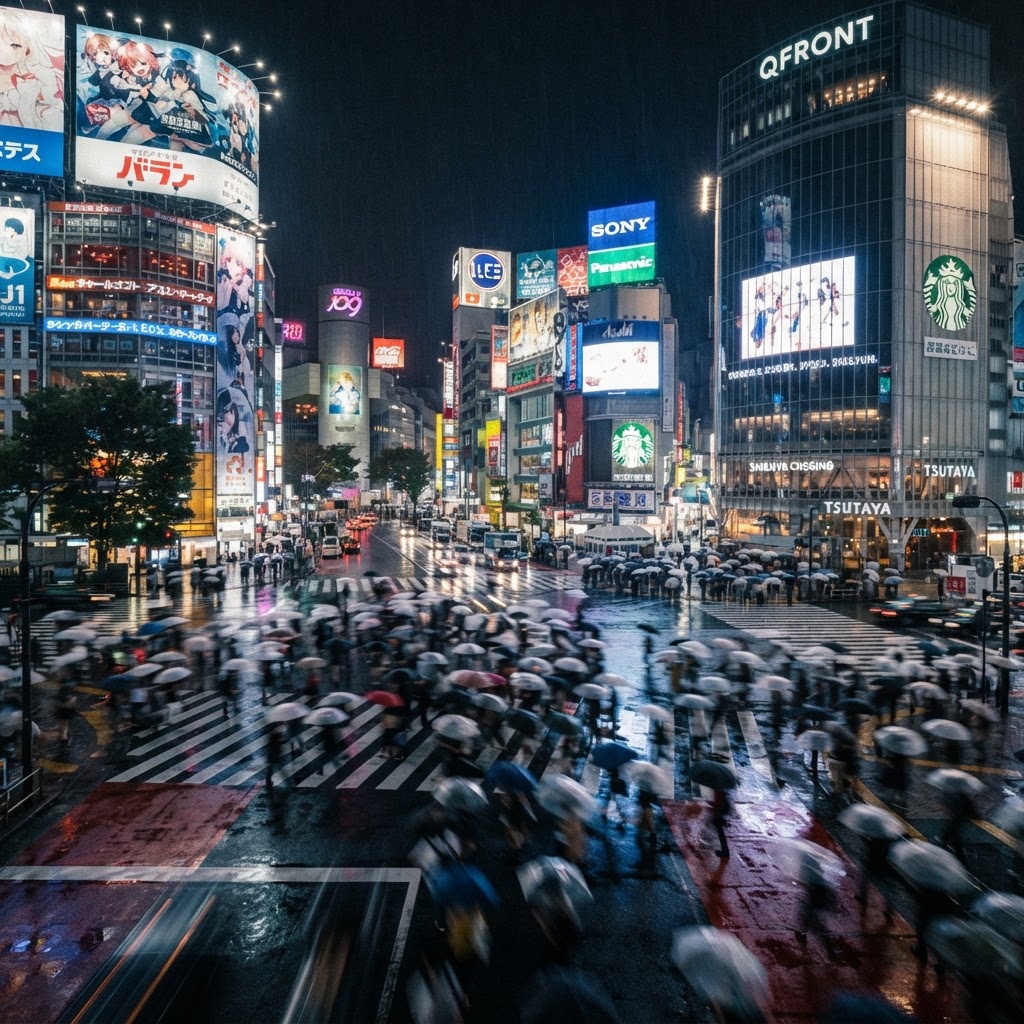
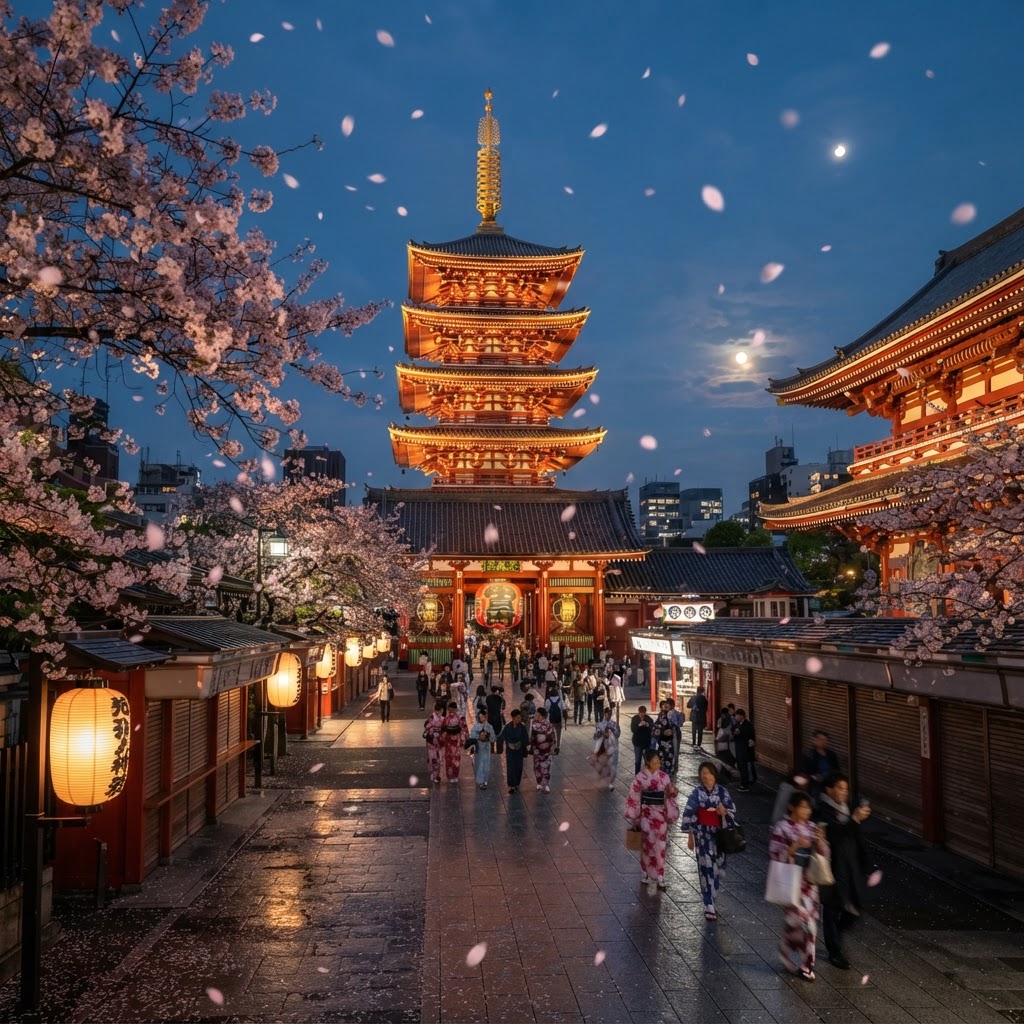
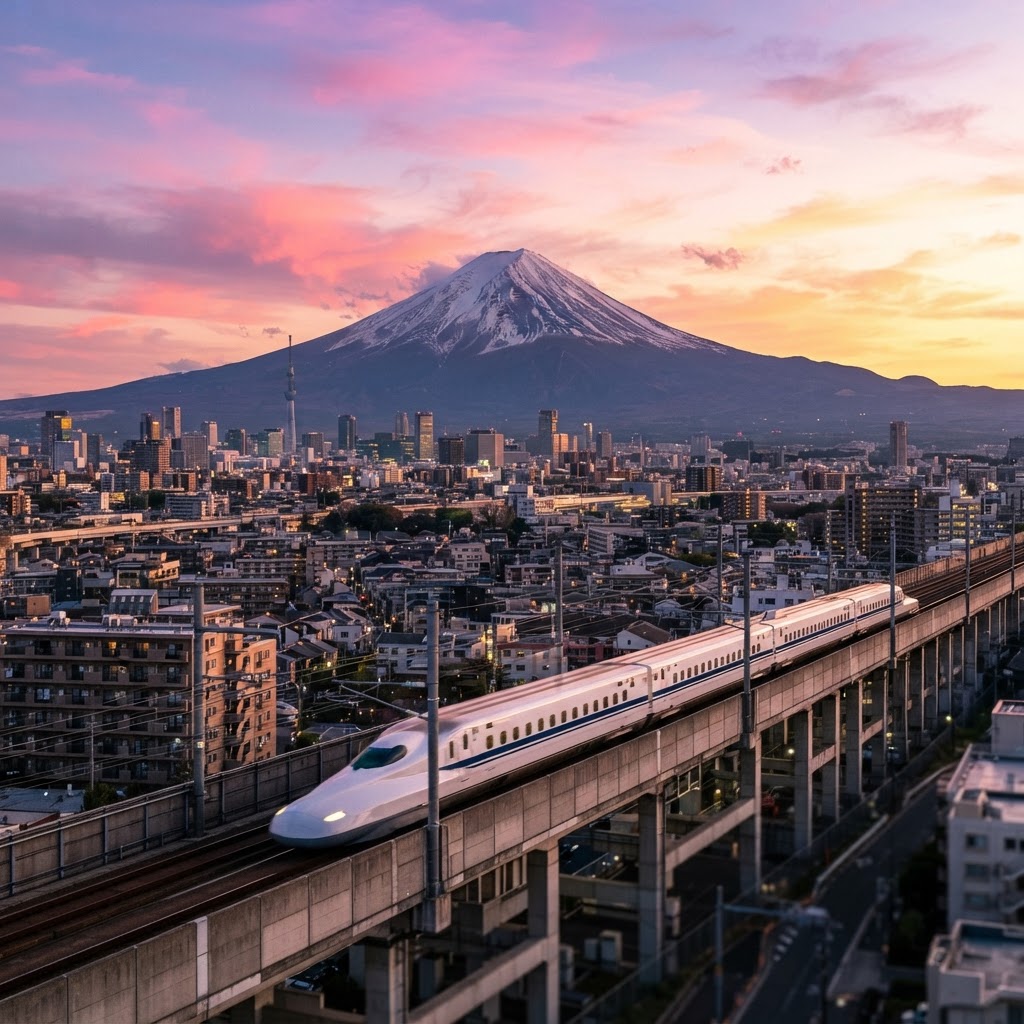
A preview of where your Qantas flight lands — a Qantas Dreamliner taking off from Sydney at sunrise, the Tokyo skyline at sunset, Shibuya Crossing at night, Senso-ji Temple at dusk, Mount Fuji and a Shinkansen bullet train, and a traditional Tokyo food alley at night.

Tokyo Flight Prices
Search live Qantas, Japan Airlines and partner fares into Tokyo Haneda and Narita, with real-time availability on every departure. Compare direct and one-stop options and find the cheapest day to fly.
Tokyo Hotels
Book a hotel in Shinjuku, Shibuya, Ginza or Asakusa — from the Park Hyatt Tokyo to budget business hotels, with the best locations for the bullet train, the metro and the sights.
Book Tokyo HotelsTokyo Car Rentals
Book a car in Tokyo — the easiest way to explore Mount Fuji, Hakone, the Nikko shrines and the Izu coast, with pick-up at Haneda, Narita or in the city. Note that Japan drives on the left.
Japan eSIM
Install a Japan eSIM before you fly so you have data, maps and messaging the moment you land at Haneda — no airport SIM queue and no roaming charges on the way to the city. Coverage is excellent on 5G across Japan.
Get a Japan eSIMRent a Bike in Tokyo
See Tokyo the active way — ride the Imperial Palace loop, the Sumida River path to Asakusa, or the Yoyogi Park trails. Book a road, city or mountain bike online ahead of time, and rent a lock — bike theft is rare but not unknown.
Rent a Bike in TokyoTokyo Tours & Experiences
Once you land at Tokyo Haneda, the city opens up. See the Senso-ji Temple at Asakusa, cross Shibuya Crossing, watch the tuna auction at Toyosu, take a day trip to Mount Fuji and Hakone, ride a Shinkansen to Kyoto, eat your way through Tsukiji and Shinjuku, and soak in an onsen. Browse and book top-rated Tokyo experiences below, all with free cancellation.
Frequently Asked Questions
How much is a Qantas flight from Sydney to Tokyo?
A Qantas Economy return from Sydney to Tokyo usually starts from around AUD 900 in the shoulder months of February to May and September to November, rising to AUD 1,500 to AUD 2,000 in the peak cherry blossom season of late March to early April and the autumn foliage season of November. Premium Economy starts from around AUD 2,200 return, and the Business Suite starts from around AUD 5,500 return. The cheapest Qantas flight price is the Lite or Economy sale fare, which sometimes has a carry-on-only allowance, so check the baggage rules before you book. A one-stop flight via Brisbane, Melbourne or Singapore is sometimes cheaper than the direct Qantas flight, especially in the peak season, so if the direct fare is high, check the one-stop options. Use the Qantas Flex date tool or a flight search engine with a whole-month view to find the cheapest day to fly, and set a price alert 3 to 4 months ahead so you catch the fare the moment it drops.
What is the cheapest month to fly Qantas from Sydney to Tokyo?
The cheapest months for the Qantas Sydney to Tokyo flight price are the shoulder months of February to May and September to November, when the weather in Tokyo is mild and the fares are well below the peak seasons. October is often the single cheapest month of the year, followed by February and early March. The most expensive months are late March to early April (the cherry blossom season) and late November (the autumn foliage season), when demand peaks and fares climb sharply. The summer months of June to August are also relatively cheap, but Tokyo is hot and humid, so the trade-off is the weather. December is expensive for Christmas and New Year, and January is high then drops mid-month. The cheapest days to fly are Tuesday and Wednesday, while Friday and Saturday are the most expensive. Book 8 to 12 weeks ahead for the cheapest fare buckets, and set a price alert 3 to 4 months ahead to catch the fare the moment it drops into your target range.
How far ahead should I book to get the cheapest Qantas Sydney to Tokyo flight price?
Book 8 to 12 weeks ahead for the cheapest Qantas Sydney to Tokyo flight price, in the window where the Lite and Economy sale fares are usually still open. Earlier than that, and the cheapest buckets have usually not been released by Qantas revenue management. Later than that, and the cheapest buckets have usually sold out, especially in the peak cherry blossom and autumn foliage seasons. For a long-haul flight to Tokyo, the booking window is a little longer than for a short-haul flight — about 2 to 3 months ahead is the sweet spot for the best Qantas flight price. If you are flexible on dates, use the Qantas Flex date tool or a flight search engine with a whole-month view to find the cheapest day to fly, then set a price alert and book the moment the fare hits your target. If you are travelling in the peak season, book as soon as you see a reasonable fare, because the cheap buckets sell out fast and the Qantas flight price only rises as the departure date approaches.
Does the Qantas Sydney to Tokyo flight price include baggage?
It depends on the fare bucket. The cheapest Qantas Lite or Economy sale fares sometimes have a carry-on-only allowance, with a checked bag costing extra — and adding a bag at booking is cheaper than adding it at the airport. The standard Economy fare includes one checked bag, seat selection and some changes, so it is a better deal if you are checking a bag anyway. Premium Economy and the Business Suite both include a generous checked allowance, priority boarding and lounge access (Business). If you are flying long-haul to Tokyo, a fare that looks cheap on the search engine can become expensive after you add a bag, a seat and a meal, so read the fare rules carefully before you book. A good rule of thumb: if you are checking a bag, compare the standard Economy fare with the Lite fare plus a bag — the standard fare is often the better Qantas flight price overall.
How do I set a price alert for the Qantas Sydney to Tokyo flight?
Set a price alert on a flight search engine by searching the Sydney to Tokyo route once, then clicking the 'Set a price alert' or 'Track prices' toggle on the results page. The search engine will email you whenever the Qantas flight price on that route changes, so you can watch the trend and book the moment the fare drops into your target range. Set the alert 3 to 4 months ahead of your travel date, so you see a full fare cycle before you book. You can set alerts on both Sydney to Haneda and Sydney to Narita, so you catch Qantas and partner deals at either airport. You can also set alerts for a whole month, so you see the cheapest day in that month to fly. When the alert fires and the Qantas flight price is in your range, book it — the cheapest buckets sell out fast in every sale, and the fare can rise again within a day or two. The Qantas app also has a Flex date tool that shows the fare across a whole month in one view.
Are one-stop flights cheaper than the direct Qantas Sydney to Tokyo flight?
A one-stop flight is often cheaper than the direct Qantas flight from Sydney to Tokyo, especially in the peak cherry blossom season. Common one-stop routings go via Brisbane (on Qantas or JAL), Melbourne (on Qantas or JAL), or Singapore (on Qantas, Singapore Airlines or a partner). The saving from a one-stop flight can be significant — sometimes 20 to 40 percent off the direct Qantas flight price — but you pay for it in time: a one-stop flight adds 2 to 4 hours to the total travel time, depending on the layover. If you are flexible and the saving is meaningful, a one-stop flight is a great way to land a lower Qantas Sydney to Tokyo flight price. If you are short on time or travelling with kids, the direct 9 to 10 hour flight on the Boeing 787-9 Dreamliner is usually worth the extra cost. Japan Airlines (JAL) codeshares with Qantas on this route, so a JAL-operated flight booked through a Qantas ticket still earns Qantas Points and can sometimes be cheaper.
Can I use Qantas Points to lower the Sydney to Tokyo flight price?
Yes. Qantas Frequent Flyer members can redeem Qantas Points for a Classic Flight Reward to Tokyo, which can be one of the best-value redemptions in the Qantas program. A Classic Flight Reward to Tokyo on the Sydney route typically starts from around 54,000 Qantas Points one-way in Economy, plus taxes and carrier charges, with Business and Premium Economy redemptions at higher point levels. Watch for reward seat releases 353 days ahead, when Qantas opens the calendar, and book early because the reward seats on the Sydney-Tokyo route sell out fast in the peak season. You can also use Qantas Points to upgrade a paid Economy fare to Premium Economy or Business, which can be a smart use of points when the paid Business fare is very expensive. If you book a Japan Airlines (JAL) codeshare flight through a Qantas ticket, you can also redeem Qantas Points for a reward seat on a JAL-operated flight. Link your Frequent Flyer number to your booking before you fly so any points you earn credit automatically.
What is the Qantas Sydney to Tokyo flight price in Business Class?
The Qantas Business Suite on the Sydney to Tokyo route starts from around AUD 5,500 return, though it can climb to AUD 8,000 or more in the peak cherry blossom and autumn foliage seasons. The Business Suite is a lie-flat bed with a mattress, pillow and duvet, full service, lounge access and fast track, and it is one of the best Business products on the Sydney-Tokyo route. The cheapest Business fares usually appear in the shoulder months of February to May and September to November, when Qantas sometimes runs business class sales that bring the fare down to within reach of a premium leisure budget. If you want the Business Suite at the lowest price, book 8 to 12 weeks ahead, watch for the January and August Japan sales, and set a price alert on the Sydney-Tokyo route. You can also use Qantas Points to upgrade a paid Economy fare to Business, which can be a smart use of points when the paid Business fare is very expensive.
Book Your Qantas Tokyo Trip
Finding the lowest Qantas Sydney to Tokyo flight price is the first step — use the whole-month view, set a price alert, and book 8 to 12 weeks ahead. Once you know your Tokyo dates, the rest is one batch of bookings: the flight into Haneda, a hotel in Shinjuku or Ginza, a Tokyo car rental, a Japan eSIM and any Tokyo tours you want to lock in ahead. Start below.